Padel may seem like a relatively simple sport from an athletic point of view: the court is smaller than the tennis court, it is played in pairs and the exchanges take place in a limited space. However, it is enough to enter the field and play an intense match to realize how misleading this impression can be.
Sudden accelerations, braking, lateral movements, recoveries towards the back, changes of direction and continuous position adjustments follow one another throughout the match. Added to these movements are smashes, volleys and other gestures in which the legs, trunk and upper body must work together.
For this reason, playing a lot of padel does not necessarily mean being physically prepared for padel. Proper athletic preparation for padel can complement the technical work done in the field, developing strength, power, ability to accelerate and decelerate, stability and endurance.
In this guide, we’ll look at what physical abilities are particularly important for a padel player, what exercises can be used in the gym, and what equipment allows you to build a complete athletic preparation program.
Indice dei contenuti
What physical abilities do padel require?
Padel is characterized by intermittent exertion. The player alternates less intense moments with very rapid actions during which he must react to the trajectory of the ball and the position of the opponents.
It is therefore not enough to have good cardiovascular resistance. The player must be able to produce force quickly, control his body during braking, and start again in the opposite direction.
A complete athletic preparation should work especially on:
- strength of the lower limbs;
- upper body strength and stability;
- power and explosiveness;
- acceleration and deceleration;
- speed of movement;
- ability to change direction;
- core stability;
- rotational power;
- coordination;
- cardiovascular and muscular resistance.
The gym therefore becomes an important complement to the camp. The goal is not to transform the padel player into a powerlifter or bodybuilder, but to build a physical foundation that can be transferred to the movements required during the game.
Leg strength: the basis of athletic preparation for padel
Every acceleration starts from the legs. The same goes for braking, changing direction, or jumping during a smash.
For this reason, lower limb strength represents one of the foundations of the player’s physical preparation.
Squats, deadlifts, split squats, and lunges allow you to develop strength through different movement patterns. Particularly interesting for padel is one-sided work, because during the match the body weight is not continuously and perfectly distributed on both legs.
Split squats, reverse lunges, and lateral lunges can therefore effectively complement bilateral exercises.
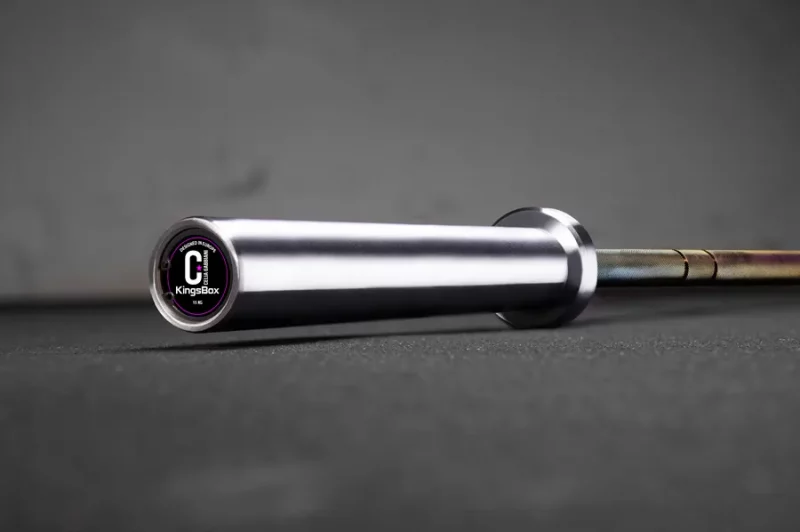
Barbell
The barbell allows you to use fundamental exercises such as squats, deadlifts and related variations, progressively modulating the load depending on the athlete’s level.
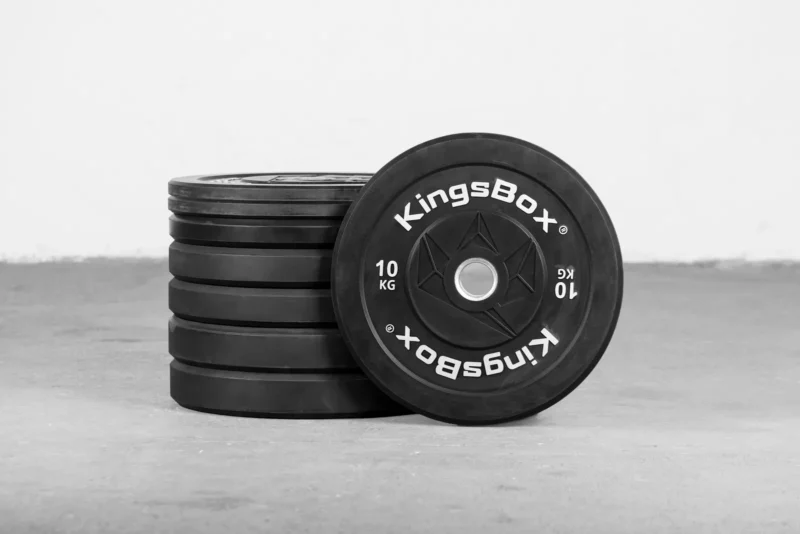
Bumper discs
Bumper plates allow you to manage the load of the barbell and build a progression over time. The amount of weight used must naturally be appropriate to the athlete’s experience, technique, and goals.
Unilateral dumbbell and kettlebell training
In padel the player rarely produces force under perfectly symmetrical conditions. Lateral movements, lunges towards the ball and recoveries continuously require transferring weight from one leg to the other.
Dumbbells and kettlebells are particularly useful for introducing unilateral and asymmetric exercises.
Interesting exercises include:
- Bulgarian split squat;
- reverse lunge;
- lateral lunge;
- single-leg Romanian deadlift;
- step-up;
- farmer carry;
- suitcase carry.
Dumbbells
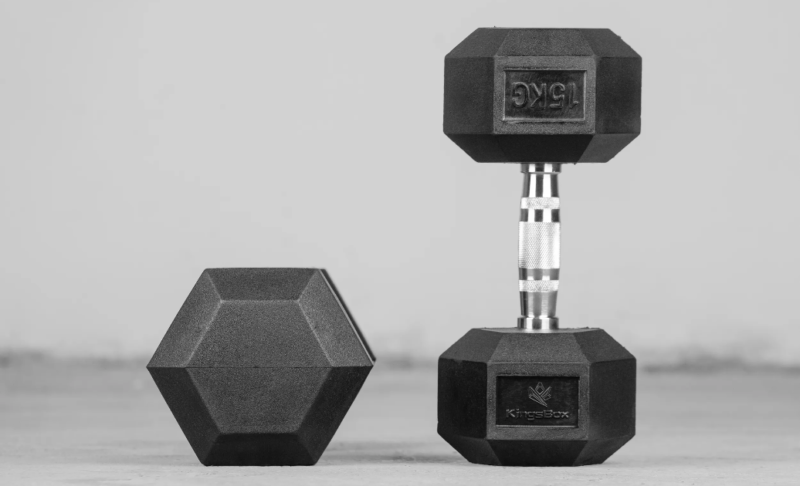
Dumbbells allow you to work easily on both the lower and upper body. They also allow you to differentiate the work between right and left side and to include particularly interesting transport exercises for core and grip.
Kettlebell
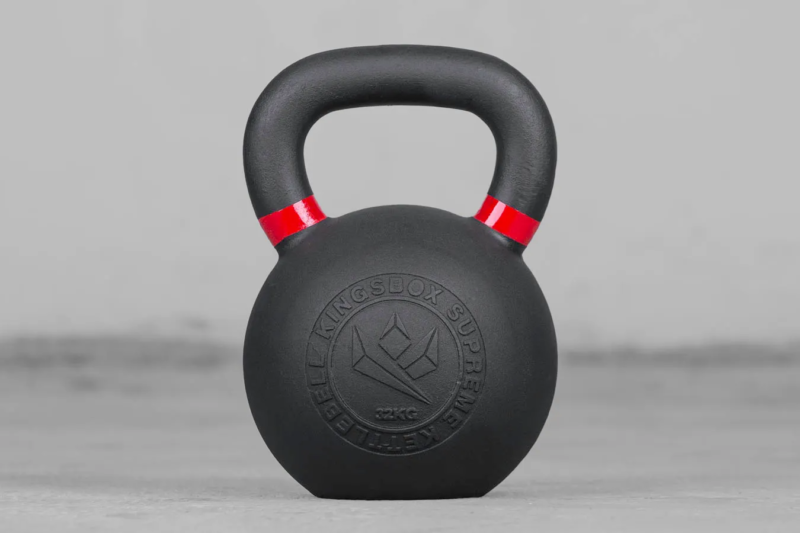
The kettlebell adds another very interesting possibility: ballistic work. The kettlebell swing, for example, allows you to train a rapid hip extension and can be inserted into the power section.
Explosive power: producing force rapidly
Being strong is important, but in dynamic sports it also matters how quickly you can express the available strength.
In padel many actions develop in a very short time. A short ball may require an immediate start; after a recovery, it may be necessary to brake and reposition; a smash involves a chain of force production and transfer that starts from the lower limbs and passes through the trunk.
For this reason, athletic preparation can include explosive exercises, always after having built an adequate technical and strength base.
Plyo Box
The plyometric box can be used for exercises such as box jumps and step-ups, as well as a support for numerous variations of lower limb exercises.
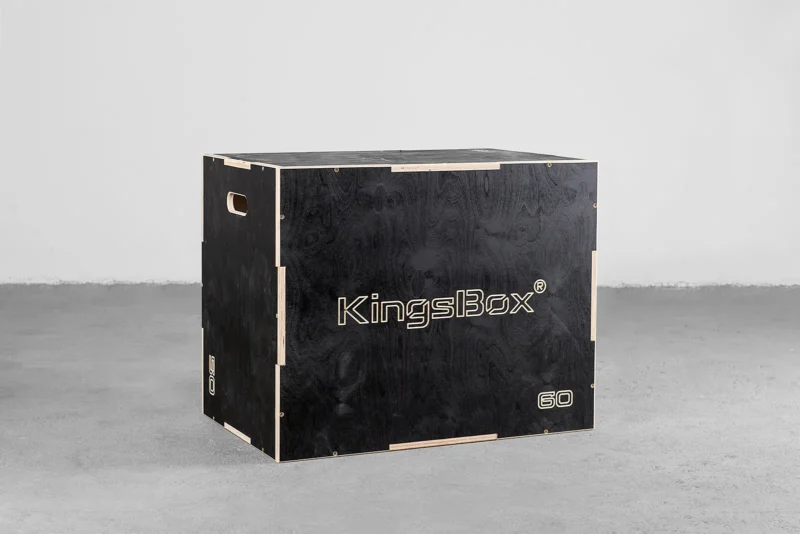
When preparing the padel player, it is not necessary to turn each session into a competition to see who jumps highest. The quality of execution must remain a priority, especially when reactive and plyometric exercises are used.
Rotational power: training the body beyond the arms
One of the most common mistakes in physical preparation for racket sports is to focus almost exclusively on the arm holding the racket.
The body instead functions as a chain. The lower limbs generate force against the ground, the trunk helps transfer it and the upper body completes the gesture.
The core should therefore not be trained only through crunches and sit-ups. It is useful to work on the ability to stabilize the trunk, control rotation and produce explosive movements.
Medicine Ball and Wall Ball
The medicine ball is one of the most interesting tools for this type of preparation.
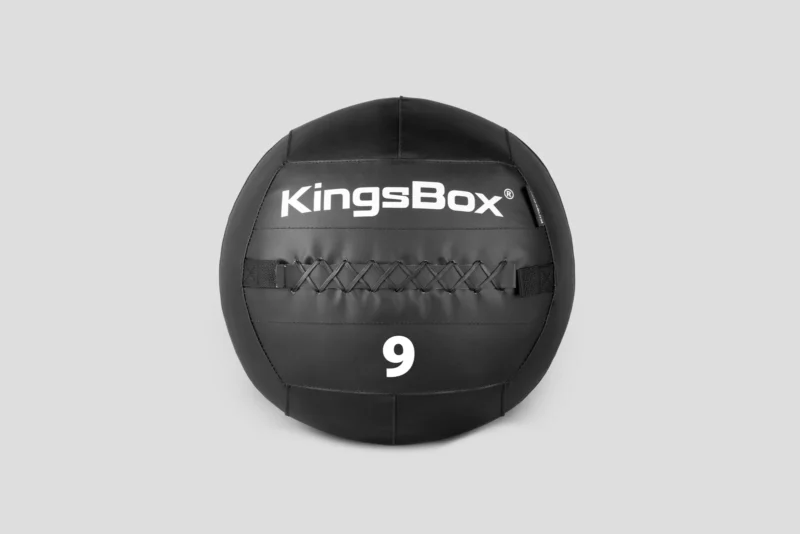
Throws can be performed frontally, sideways, or through rotational movements. When the environment and equipment allow, the medicine ball rotational throw allows you to train explosive force production through the hips and trunk.
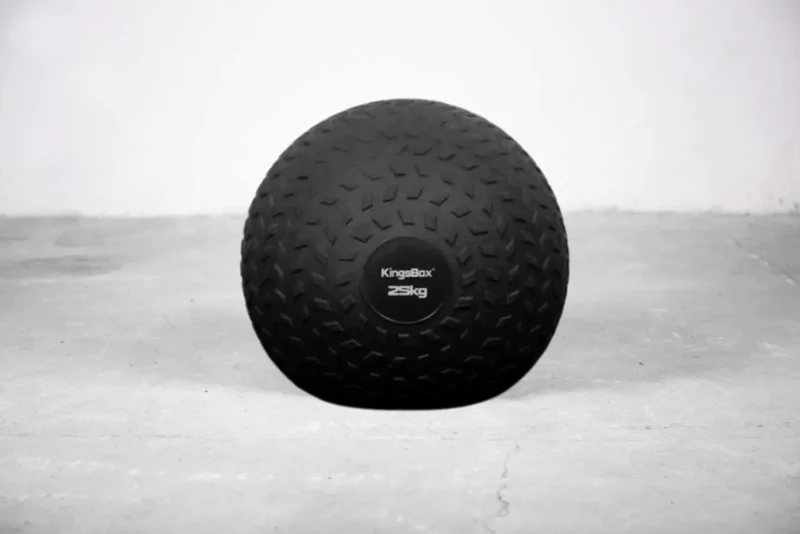
Slam Ball
The slam ball, on the other hand, allows for explosive movements in which the athlete voluntarily accelerates the apparatus until release.
Front and side slam variations can be inserted into the power work, choosing a weight that allows the speed of the movement to be kept high.
Foot speed and coordination
In padel, you don’t just need big accelerations. An important part of the game consists of small position adjustments.
Arriving on the ball with your body well positioned allows you to perform the technical gesture in better conditions. For this coordination and speed of support they deserve space in preparation.
Jumping rope
The string is a simple yet extremely versatile tool. It can be used in heating or inside dedicated coordination and conditioning blocks.
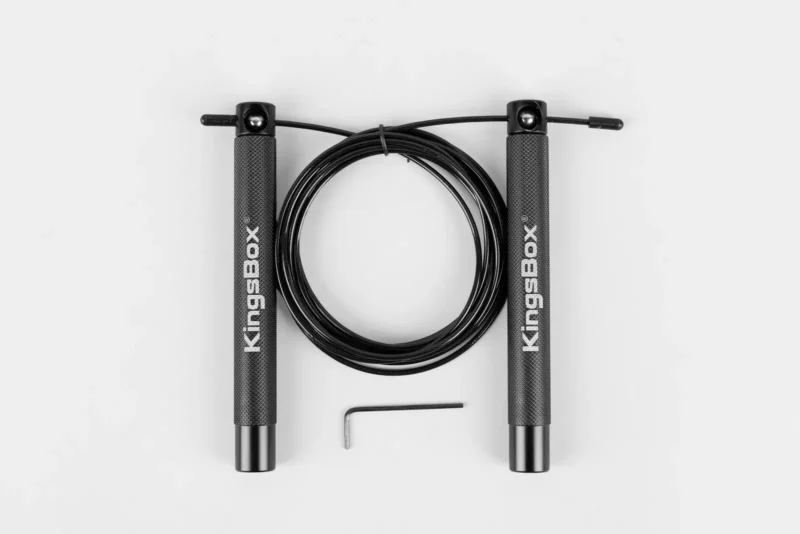
You can start with simple two-foot jumps and then introduce alternating supports and other variations, avoiding increasing volume and complexity too quickly.
Acceleration and horizontal strength: training with the sled
The padel player must continuously cover short distances. In many situations, the ability to rapidly generate force against the ground is more important than the maximum achievable speed.
sled training offers an interesting solution because it allows you to work against a resistance while moving.
Sled push
The thrust of the sled significantly involves the lower limbs and allows for work on the production of horizontal force.
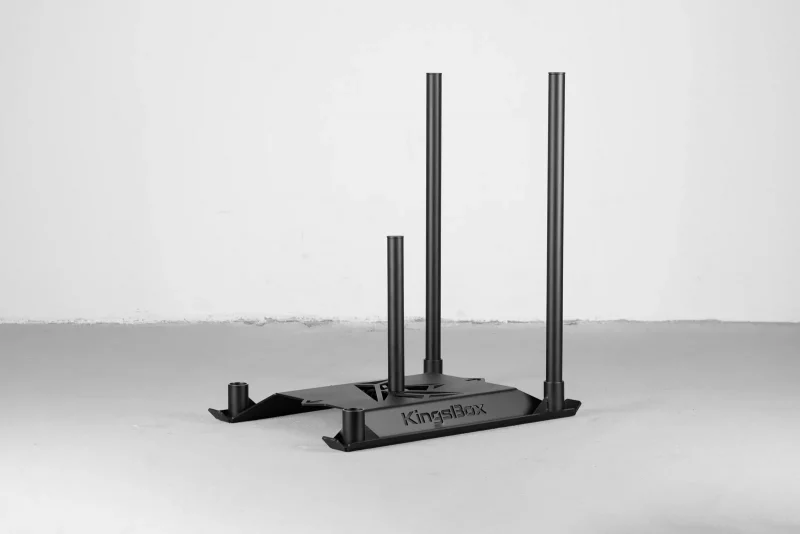
By varying load and distance it is possible to profoundly change the stimulus. A heavy sled used over short distances will have different characteristics from lighter, faster work.
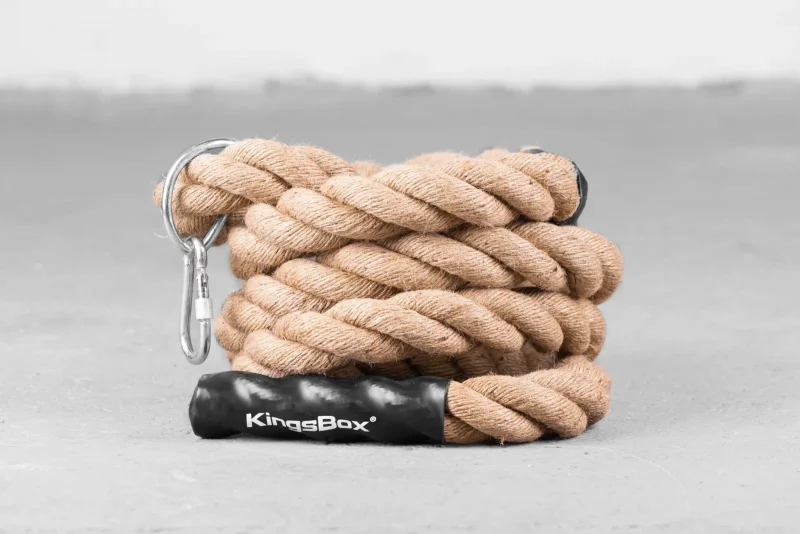
Sled pull with rope
The sled can also be used through pulling exercises. By connecting a string you can involve the back, arms, grip and core more.
Work out back, shoulders and grip
The upper body should not be overlooked. However, instead of focusing exclusively on the muscles directly associated with the blow, it is useful to build balanced muscles.
Horizontal and vertical pulling exercises can contribute to the development of the back, arms, and musculature involved in scapular control.
Traction Bar
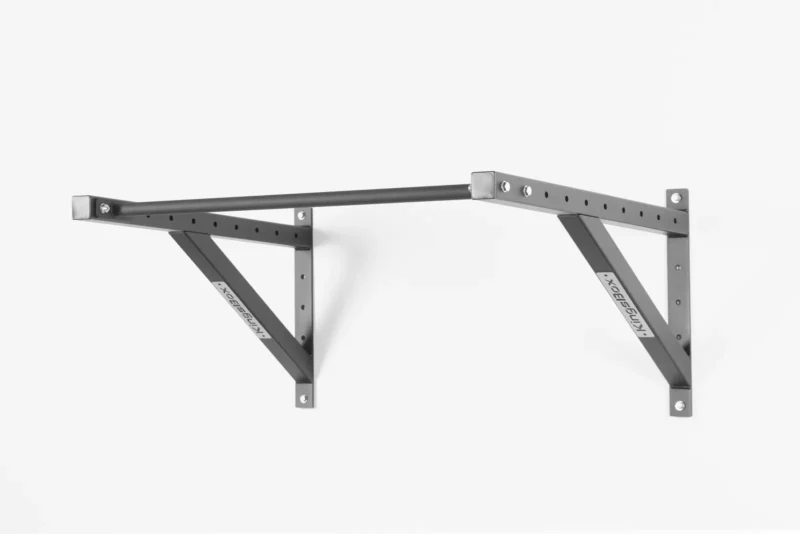
Pull-up and chin-up are two possibilities, but the level of exercise must be adequate for the athlete. Those who are not yet able to perform full pull-ups can use simpler progressions.
Resistance: be quick even when fatigue arrives
Good athletic preparation must not only allow for explosive action. The player must be able to repeat quality actions throughout the entire match.
The cardiovascular component therefore plays an important role.
This doesn’t necessarily mean spending hours doing low-intensity cardio. The work can be organized according to the time of the season, the number of matches and the athlete’s level.
Rower
The rowing machine allows you to involve both lower and upper limbs simultaneously and represents an extremely versatile tool for conditioning.

It can be used for both continuous sessions and high-intensity intervals.
A simple example might be:
- 30 seconds of work;
- 30 seconds of recovery;
- 6-10 repetitions.
Duration and intensity must be adapted to the athlete’s level and the rest of the program.
Injury prevention in padel: the role of physical preparation
Accident prevention cannot be reduced to a single exercise. Technique, play volume, recovery, experience, physical capabilities, and load management are all elements that can come into play.
In padel, the lower limbs, subjected to continuous acceleration, braking and variations in direction, and the upper body, involved in the repetition of blows, deserve particular attention.
Well-structured preparation should therefore include lower limb strength, unilateral exercises, deceleration control, balance, trunk strength, and work on the upper body muscles.
This doesn’t mean that weight training makes you immune to injury. It means progressively building greater physical capacity to face the demands of sport.
Three training sessions for athletic padel preparation
Let’s now see how the exercises described can be organized into three different sessions. These are general examples and not individualized programs: volume, loads, and frequency must be adapted to the experience, match schedule, and athlete characteristics.
Workout A – Force
- Barbell Back Squat – 4 x 5
- Bulgarian dumbbell split squat – 3 x 8 per side
- Romanian deadlift – 3 x 8
- Pull-up – 3 series
- Farmer carry with kettlebells or dumbbells – 4 x 20 meters
- Antirotational core – 3 sets per side
The goal of the session is to build a strength base without turning it into a conditioning session. Recoveries must therefore allow us to maintain good quality in subsequent series.
Workout B – Power and Speed
- Rope – 3 x 60 seconds
- Box jump – 4 x 4
- Medicine ball rotational throw – 4 x 5 per side
- Slam ball – 4 x 6
- Kettlebell swing – 4 x 8
- Sled push – 5 x 15 meters
In power work the goal is not to accumulate as many repetitions as possible. Each repetition should be performed with explosive intention and good technique. When the velocity decreases sharply, the stimulus is changing.
Workout C – Conditioning
- Rower – 30 seconds
- Rope – 45 seconds
- Sled push – 15 meters
- Dumbbell Reverse Lunge – 8 per leg
- Sled rope pull – 10-15 meters
The circuit can be repeated 3 to 5 times with adequate recovery between rounds.
When to do athletic training if you play padel?
Frequency depends on the number of matches and technical training sessions held during the week.
For many amateur players, two well-organized physical preparation sessions can be a practical solution. An athlete who already performs numerous technical sessions will instead have to integrate physical work more carefully to avoid unnecessarily accumulating fatigue.
It is also important to consider when the most challenging session is being held. Heavy training for the lower limbs immediately before an important match could compromise freshness and quality of movement.
Programming should therefore consider the entire week and not just the single session.
Athletic padel preparation: train better off the field
Improving padel inevitably requires time spent in the field. Technique, trajectory reading, tactics, and the ability to play with your partner cannot be replaced by the gym.
But physical work can build the qualities the player relies on during each point.
Force in the legs to accelerate and brake. Power to produce rapid movements. A core capable of transferring and controlling forces. A strong and stable upper body. Sufficient resistance to maintain the quality of movement even in the advanced stages of the match.
Barbells, dumbbells, kettlebells, medicine balls, plyo boxes, bars, ropes, sleds, and rowers should therefore not be considered separate instruments, but components of a program built around the athlete’s requests.
The real difference isn’t the number of exercises included in the card, but the ability to choose the truly useful ones, progress gradually, and integrate them with technical fieldwork.
This is the principle behind good athletic preparation for padel: don’t just train more, but build strength, speed, power, and endurance with a specific purpose.