Adolescence is a fundamental stage for the physical and mental development of every person.
It is precisely at these ages that the foundations for a healthy, active and lasting lifestyle are laid. Cross Training, with its variety of exercises and ability to adapt to different levels of preparation, presents itself as an ideal method to accompany young athletes in this delicate phase.
This guide aims to provide a comprehensive overview of cross training for teens, illustrating benefits, training modalities, safety recommendations, and practical tips for effective and fun training. If you want to help a teenager get started in the fitness world or are simply curious to learn more, this article will provide you with all the information you need.
Indice dei contenuti
Introduction to Cross Training
Cross Training is a type of training that combines elements of different sports disciplines and physical work methodologies, creating varied and stimulating routines. The main goal is to develop strength, endurance, agility, flexibility and coordination in a balanced way.
This multidisciplinary approach makes it particularly suitable for adolescents, whose bodies are growing and require comprehensive stimulation without excessive stress. Unlike single-topic training, Cross Training prevents boredom by keeping motivation high, a key factor for kids. Furthermore, the functional training that characterizes Cross Training promotes motor patterns useful in daily life and sport.
The most important aspect of Cross Training for adolescents is the personalized and safe approach that respects their physical needs and limitations. The developing body needs a balanced program, supervised and calibrated to each one’s abilities, to avoid overload and ensure healthy and harmonious growth.
Physical Benefits of Cross Training for Teens
Cross Training brings numerous physical benefits to adolescents, helping to improve their overall condition in a balanced way. First of all, it promotes harmonious muscle development, involving all the major muscle groups without neglecting any of them.
Circuit training, typical of Cross Training, allows you to alternate strength exercises with cardiovascular exercises, thus simultaneously improving both strength and endurance. This approach gives great results in terms of increasing lean muscle mass, aerobic and anaerobic capacity.
Second, Cross Training helps increase joint mobility and flexibility.
Many exercises include dynamic and complex movements that help keep joints healthy and functioning, reducing the risk of stiffness and injury. Another important benefit is injury prevention: varied work avoids repetitive overloads that often occur in single-discipline sports, protecting muscle, tendon, and joint tissues as they grow. Furthermore, core enhancement improves posture and overall stability, which is essential in any sporting activity.
Cross Training also helps regulate body composition, helping to reduce fat mass and improve metabolism, a key factor in maintaining a healthy weight in adolescence. Finally, Cross Training significantly improves motor coordination and proprioception, essential skills for sports performance and confidence in daily movements.
Recommended Age to Start Cross Training
Cross Training can be introduced in adolescence, generally from the age of 12, always considering the physical and psychological maturity of the boy or girl. This type of training is extremely versatile and can be adapted for all ages, but especially in this age group, it is essential to design a program that respects the current growth phases, avoiding excessive loads.
In the years up to the age of 18, the intensity and complexity of the exercises can gradually increase, always keeping safety and controlled progression at the center.
For this reason, it is always recommended that young athletes follow specific programs designed for their age group, developed by experts and with the support of qualified instructors. With these attentions, Cross Training is an optimal method of establishing a good physical foundation that will also be useful for any sports practiced competitively or amateurly.
Accident Safety and Prevention Guidelines
Safety must be the top priority when Cross Training is offered to adolescents. First of all, it is important that each session is supervised by a competent coach, who knows how to adapt the exercises to the young person’s level of preparation.
It is essential to consistently teach and maintain proper execution technique: errors in movement are often the main cause of injuries.
The duration and intensity of training must also be appropriate for age and ability. Sessions for teens typically last 20 to 45 minutes, with frequent breaks to avoid excessive fatigue.
Gradual progression in loads and difficulties is essential: leveling up too quickly puts physical integrity at risk, especially in the presence of still-active growth phases.
Finally, it is essential to take care of the warm-up and cool-down, which are essential for preparing muscles and joints for activity and for promoting recovery. The use of appropriate equipment, with dimensions, weights and materials suitable for adolescents, further reduces the risk of accidents. Cross training, when practiced with these precautions, is among the safest and most comprehensive activities for young athletes.
Basic Exercises in Cross Training for Teens
A well-structured Cross Training program is based on functional and comprehensive exercises, involving multiple muscle groups and coordination skills. Here are some of the most effective and versatile movements to include in your workout routines:
- Squat: bodyweight or lightly overloaded, it is the basis for building leg strength and full-body stability.
- Push-up: Complete upper body exercise, develops chest, shoulders, and triceps while also improving core stability.
- Plank: essential for core strengthening, improves stability, posture and motor control.
- Pull-ups (bar pull-ups): help develop back and upper limb strength, can be adapted with beginner assistance.
- Lunges and step-ups: great for legs and balance, develop muscular endurance and coordination.
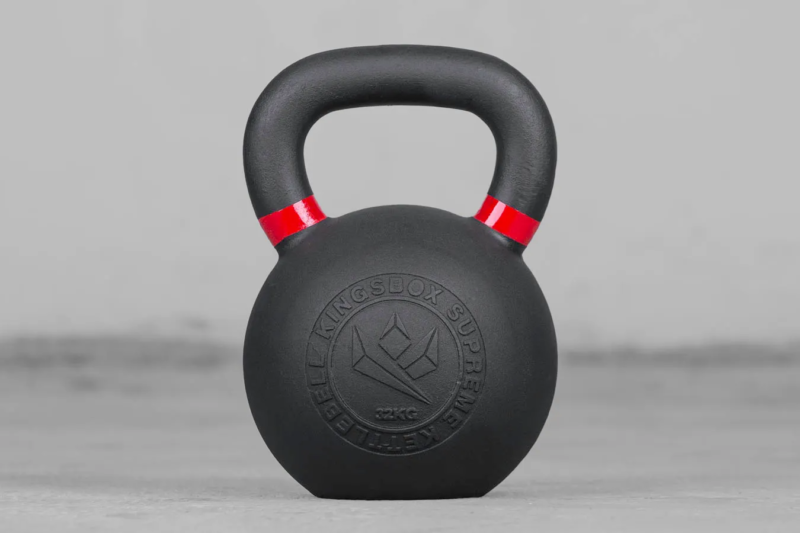
- Kettlebell swings: plyometric exercise that improves explosive power, coordination, and cardiorespiratory fitness.
- Box jump: boost explosive leg strength, improving responsiveness and motor control.
These exercises can be combined in high-intensity circuits (WODs) or in station sessions to vary work and stimuli and maintain high motivation.
Programming and Examples of Training Sessions
Organizing an effective Cross Training program requires good planning that takes into account the goals, age, and level of preparation of adolescents. It is recommended to start with 2-3 sessions per week and increase the frequency up to 4 or 5 workouts for more experienced kids.
An example of a typical 40-45 minute session can be structured like this:
- General warm-up: light running, joint mobility, dynamic stretching – 10 minutes
- Technical training: bodyweight exercises such as squats, push-ups, planks with attention to form – 10 minutes
- WOD (Workout of the Day): 3-4 round circuit with alternating exercises, for example:
- 10 squats
- 8 push-up
- 6 assisted pull-ups
- 15 kettlebell swings
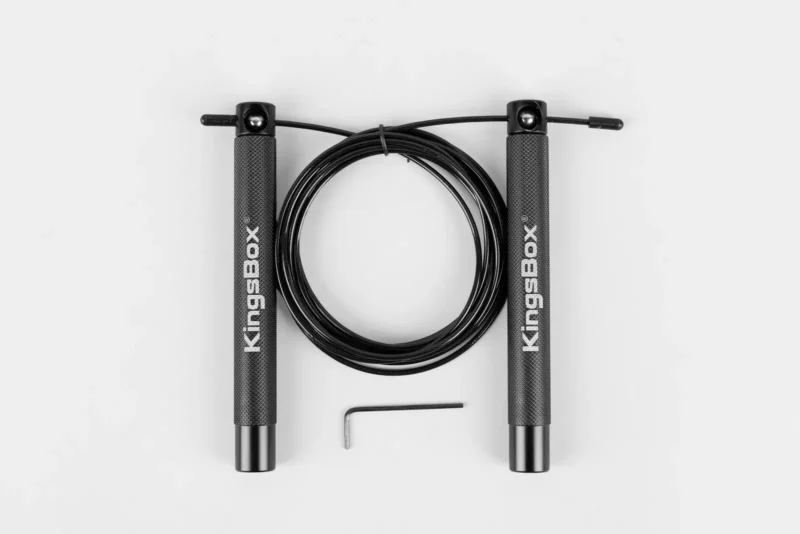
- 200 meters light running or rope jumping
- Static cool-down and stretching to relax muscles and joints – 5-10 minutes
This pattern can be adapted with variations and progressions each week, inserting new exercises and gradually increasing intensity and load.
What equipment to buy
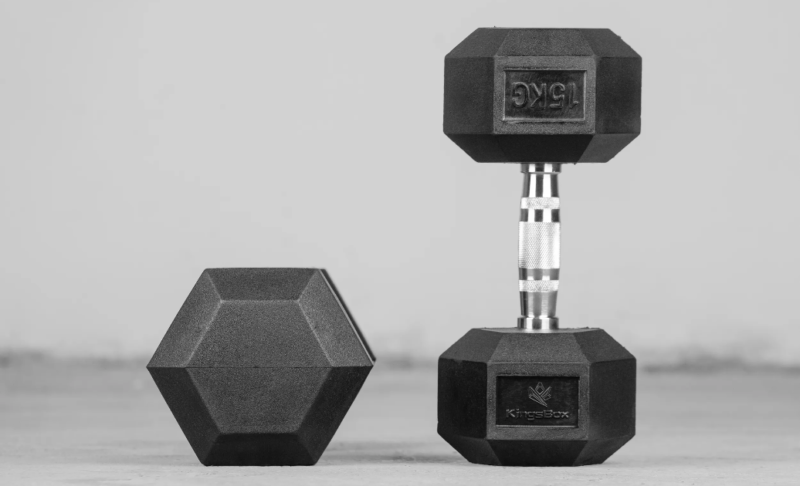
Dumbbells
Kettlebell
Plyometric box

Jumping rope
Barbell

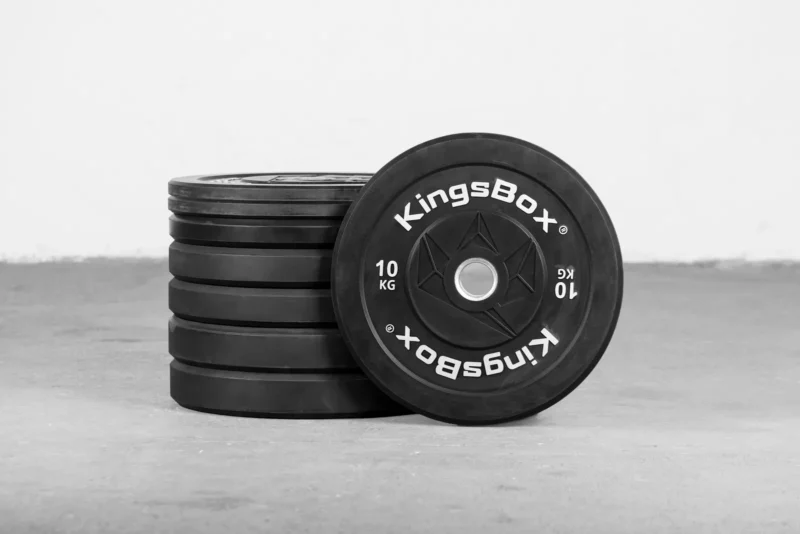
Bumpers discs
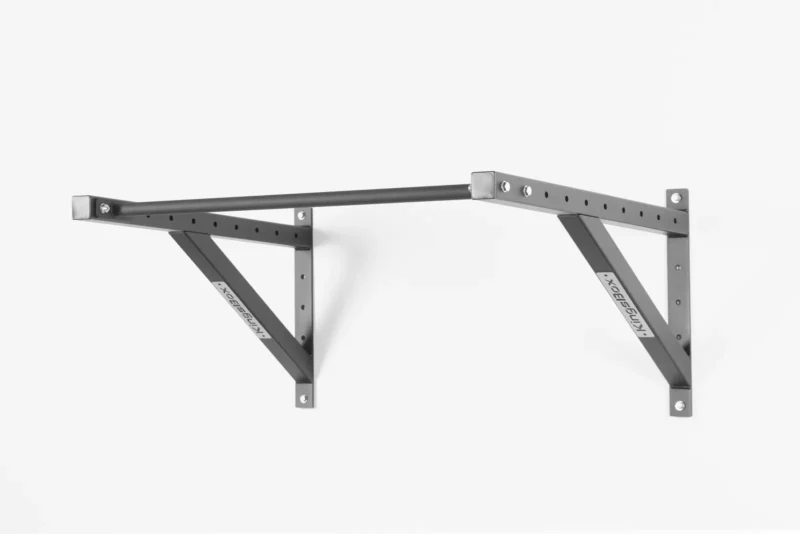
Traction Bar
Wall ball

Slam Ball

Practical Tips for Teens and Parents
For those approaching Cross Training, it is essential to follow a few simple rules to maximize their benefits and minimize risks:
- Rely on qualified instructors and learn about their experiences with young athletes.
- Never neglect the warm-up and cool-down.
- Listen to your body and don’t force it if you experience excessive pain or fatigue.
- Maintain a balanced diet and proper rest to support recovery.
- Use quality, age- and developmentally appropriate equipment.
- Encourage consistency and gradual progression in training.
- Favor the playful and social aspect of the activity to maintain high motivation.
Scientific sources on Cross-Training and Training in Adolescents
Effects of supervised strength training on physical fitness in children and adolescents: a systematic review and meta-analysis (2025) – MDPI
Effects of different supervised and structured physical exercises on physical training in children and adolescents: a meta-analysis and a meta-regression (2024) – BMC Pediatrics
Resistance Training for Kids and Teens – Review
Resistance training to improve power and athletic performance in adolescent athletes: a systematic review and meta-analysis
Effects of resistance training on bone density in young people – BMC Pediatrics
May Strength Be with Young People: Fundamental Strength Training in Adolescents
Conclusions
Cross Training is a modern and comprehensive approach to training, perfect for accompanying teenagers in building a solid physical and mental foundation. Thanks to the variety of exercises, respect for growth stages and attention to safety, this method supports healthy, balanced and motivating development.
Choosing Cross Training means giving young people valuable tools to face life with energy, self-confidence, and body awareness. With well-structured programs and the right support, every teenager can become a protagonist in their own journey of sporting and personal growth.