Adaptive sport represents one of the most important evolutions of modern fitness. It’s not simply about adapting some exercises, but about creating an environment where each person can train effectively, safely, and motivatingly regardless of their physical condition. In recent years, more and more gyms, coaches, and specialized brands have realized the importance of designing inclusive and accessible spaces. In this context, the KingsBox equipment has become a reference point for many adaptive athletes thanks to its modularity, robustness and customization possibilities.
Training as an adaptive athlete means approaching each session with awareness, listening to your body, and the ability to transform difficulties into new movement strategies. Each athlete has different needs: some work primarily on upper body strength, others need to improve balance and coordination, and others simply seek an activity that allows them to maintain autonomy and daily well-being.
The true strength of adaptive sport is not just physical. It’s mental, emotional, and social. Training becomes a place to rediscover trust, build resilience, and share experiences with others. For this reason, choosing the right equipment is essential. An adjustable, stable and safe setup allows you to train continuously, reducing stress, risks and limitations.
Indice dei contenuti
Why Adaptive Training Is Growing
In recent years, the fitness world has begun to understand that there is not just one correct way to train. Each person has different characteristics, needs and goals. Adaptive training stems from this very philosophy: creating truly accessible programs without compromising quality and intensity.
Many adaptive athletes today participate in international competitions, functional fitness events, powerlifting competitions and endurance disciplines. This has helped change the perception of adapted sport, showing that performance and inclusion can coexist perfectly.
At the same time, the design of the equipment has also evolved. Adjustable structures, modular racks, cable systems, and multifunctional accessories allow you to adapt your exercises in seconds. KingsBox has invested heavily in this direction by developing solutions suitable for both professional boxes and home gyms.
The importance of an inclusive gym
An inclusive gym is not just a space with easy ramps and access. It is an environment where every athlete feels welcomed, respected and supported. Inclusion stems from the way training is designed, the availability of coaches, and the presence of truly adaptable equipment.
Many adaptive athletes face logistical and psychological obstacles on a daily basis. Entering a gym where spaces are tight, machines are difficult to use, or staff are unprepared can become frustrating. On the contrary, a properly organized environment improves motivation and continuity.
KingsBox structures are particularly popular because they allow you to quickly change heights, positions and configurations. This means being able to adapt your training in real time without interrupting the flow of the session.
Why choose KingsBox equipment
KingsBox is known in the functional fitness world for the quality of its materials and the modularity of its structures. In the adaptive context these aspects become even more important. An athlete must be able to train safely knowing that each support is stable and adjustable.
Modular racks allow you to position bars and supports at different heights. This allows people in wheelchairs or with motor limitations to perform exercises that are normally difficult to adapt in traditional gyms.
Accessories such as elastic bands, pulleys, exercise rings, and suspension training supports also become valuable tools for building comprehensive programs. The ability to easily change resistance and angle allows you to create progressive and controlled movements.
Another important aspect concerns the management of spaces. Many adaptive athletes train at home or in small personal training studios. KingsBox compact solutions allow you to organize functional areas without occupying excessive surfaces.
How to Build an Effective Adaptive Program
Each adaptive program must start from an individual evaluation. There is no one-size-fits-all routine. The goal is to understand which movements are safe, which muscle groups need more attention, and which tools can facilitate training.
Generally an effective program includes:
- Mobility and initial activation
- Adapted strength exercises
- Cardiovascular work
- Stability training
- Recovery and stretching
Progression must be gradual. Increasing volume or intensity too quickly can cause compensation and overload. Better to focus on the quality of movement and continuity over time.
Adaptive exercises with KingsBox equipment
1. Row with elastic
One of the most used exercises to develop upper body strength. Using a rubber band attached to a KingsBox rack, you can work on your back in a controlled manner.
Execution:
- Fix the elastic band at chest height
- Keep your back stable
- Slowly pull towards the torso
- Check the return phase
Benefits: improves posture, dorsal strength and scapular stability.
2. Chest press with elastic bands
An ideal exercise to develop the chest and triceps without using excessive loads. The elastic bands allow a smooth and progressive movement.
Execution:
- Place the bands behind the body
- Push forward slowly
- Maintain control throughout the movement
3. Adapted battle rope
Battle rops are an excellent tool for cardiovascular conditioning. They can also be used by wheelchair athletes by adjusting distance and duration of work.
Basic routine:
- 20 seconds of work
- 40 seconds recovery
- Repeat for 8 rounds
4. Pulley bass
The pulley allows you to perform controlled movements, improving coordination and functional strength. Thanks to KingsBox modular structures the cable can be adjusted quickly.
5. Assisted pull-ups with elastic band
Pull-ups can be adjusted using support elastics or different inclinations. Even small advances in this exercise represent great achievements.
Adaptive total body routine
Below is an example of a total body workout that can be adapted to different levels.
Heating – 10 minutes
- Shoulder mobility
- Controlled torso rotations
- Activation with light rubber bands
- Controlled breathing
Force block – 20 minutes
- Row with elastic – 4×12
- Chest press – 4×10
- Adapted shoulder press – 3×10
- Lat machine or pulley – 4×12
Cardio block – 15 minutes
- Battle rope
- Adapted sled push
- Interval training with hand bike
Chore and stability – 10 minutes
- Pallof press with elastic band
- Scapular stability
- Breathing exercises
Cool Down – 10 minutes
- Shoulder stretching
- Cervical mobility
- Slow breathing
Equipment needed
Rower

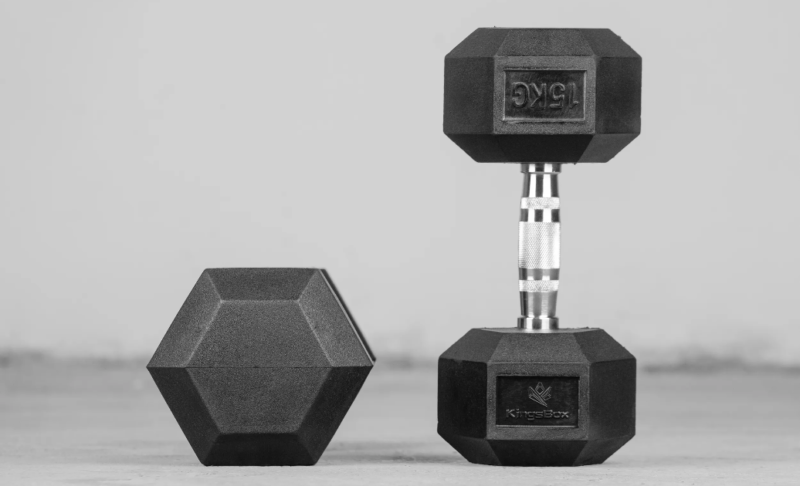
Dumbbells
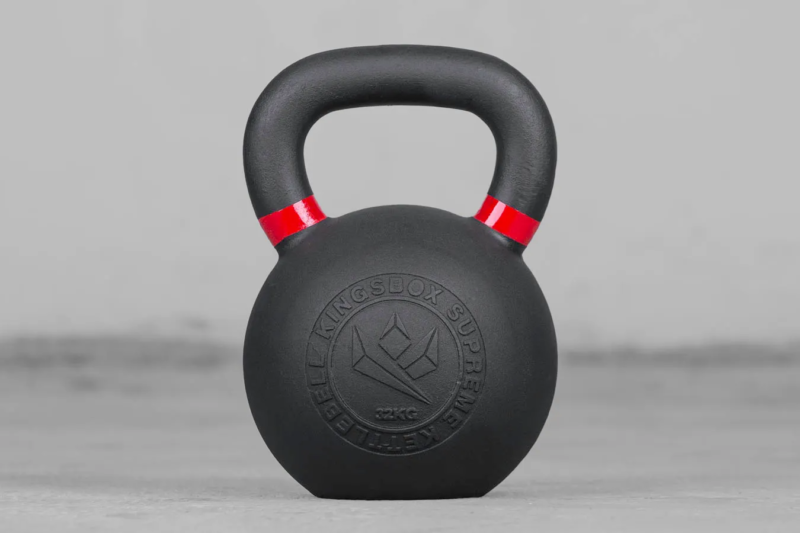
Kettlebell
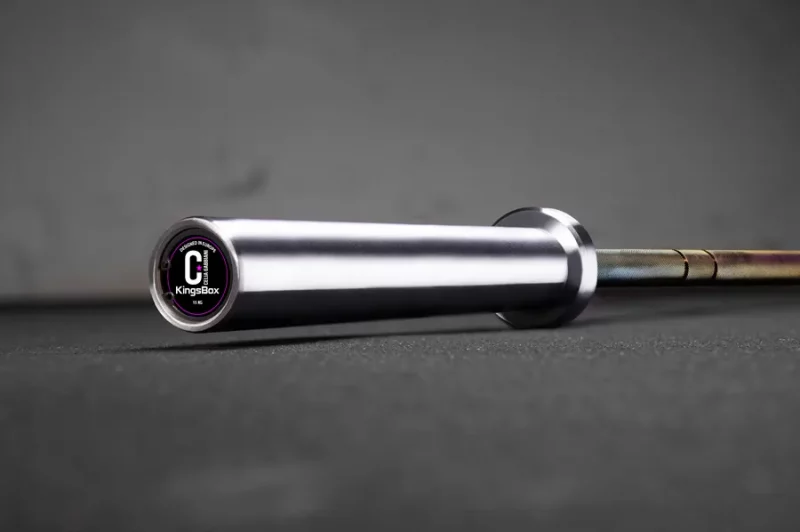
Barbell
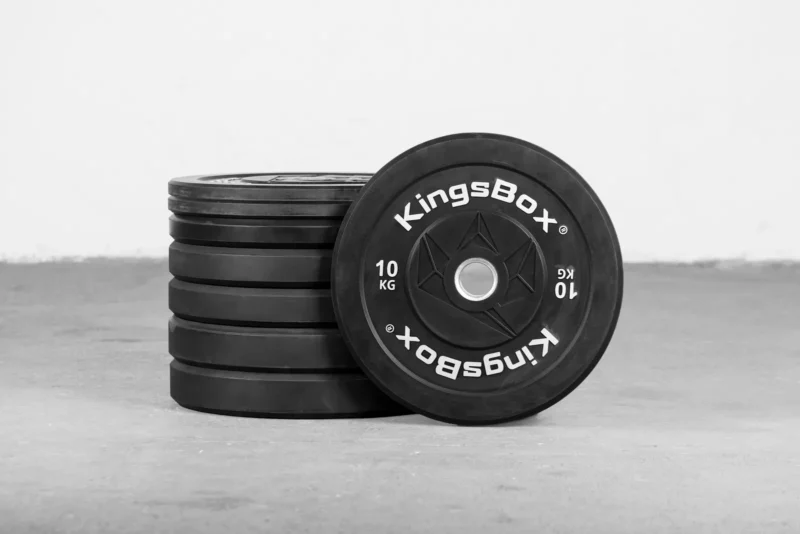
Bumpers discs
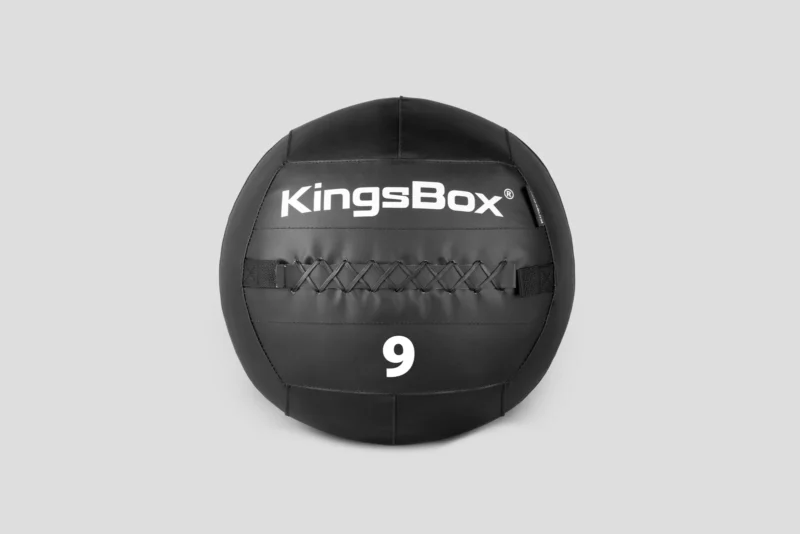
Medical ball
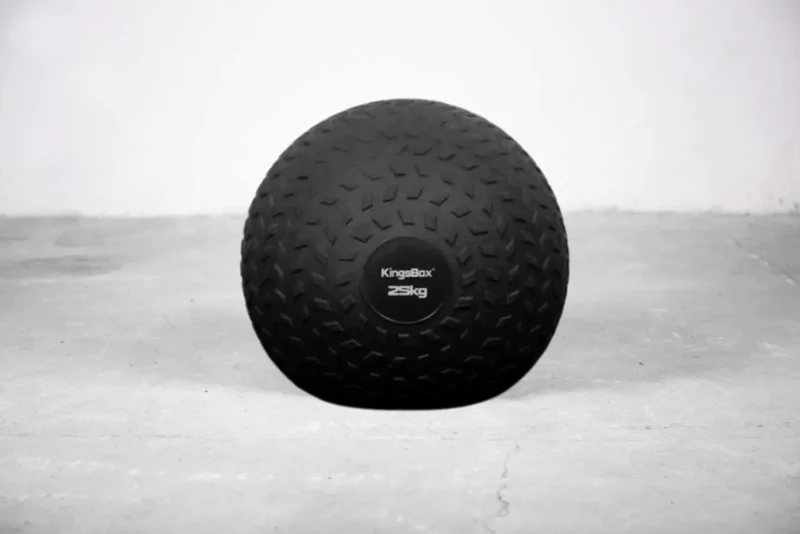
Slam Ball
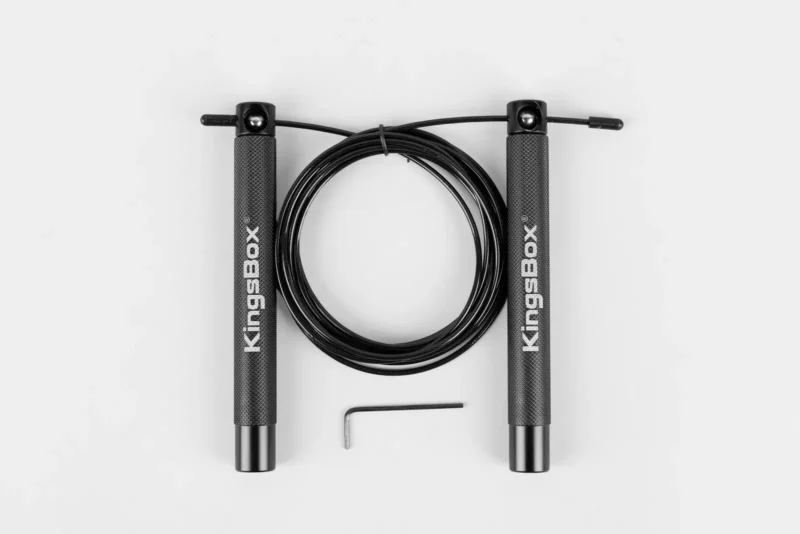
Jumping rope
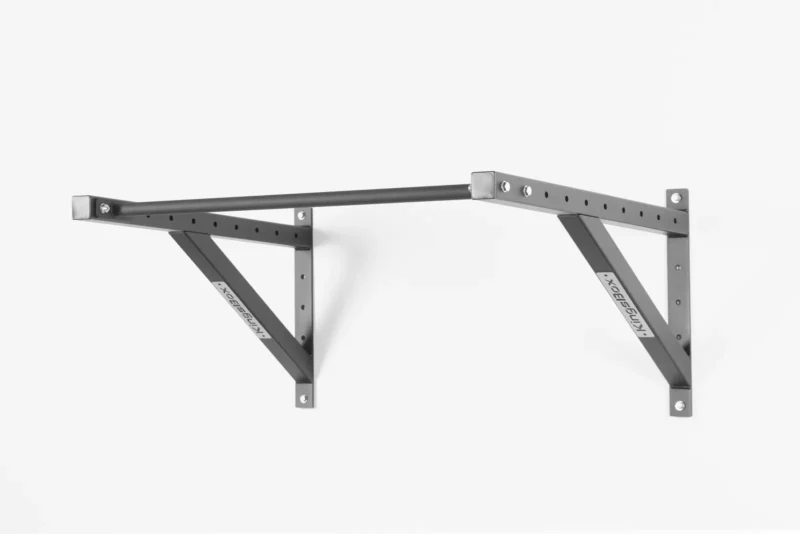
Traction Bar
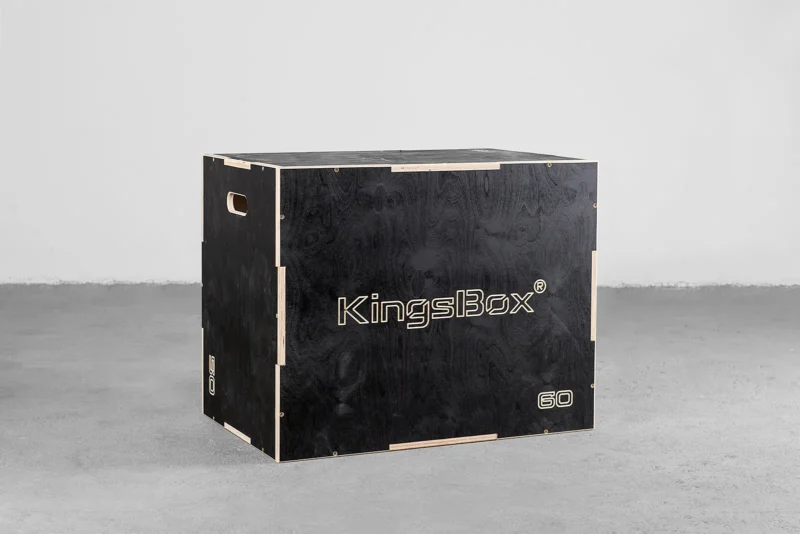
Plyometric box
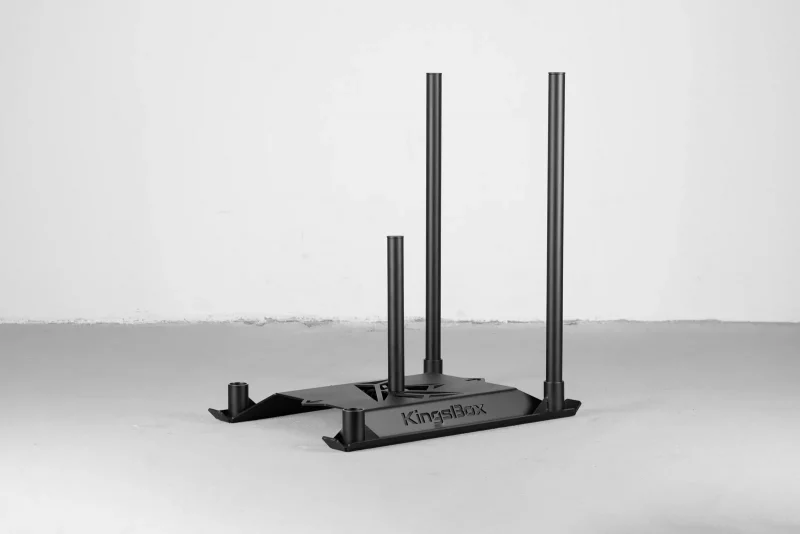
Sled – Sled for HYROX
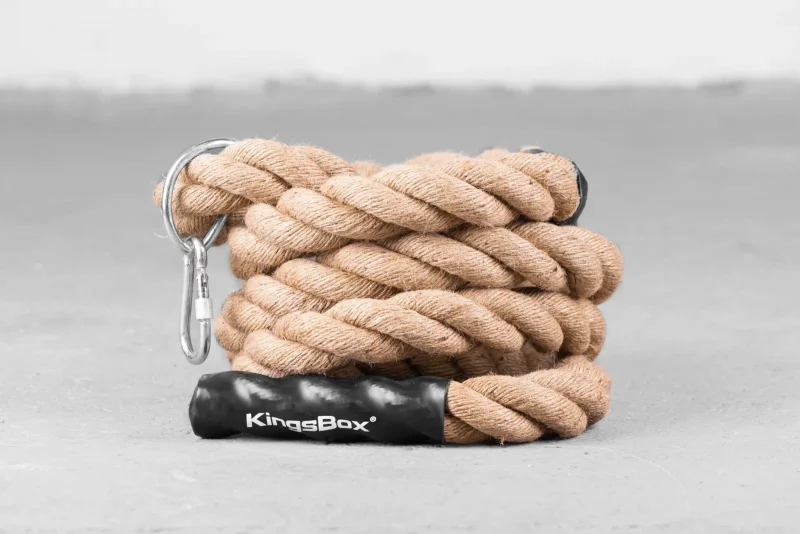
The Rope – Sled rope
Routine for beginners
Those starting an adaptive journey should focus primarily on technique and building trust. A simple but consistent program produces better results than sessions that are too intense.
Training 3 times a week:
- 5 minutes mobility
- 3 upper body exercises
- 2 light cardio exercises
- Final stretching
The initial goal must not be performance but continuity. Even short sessions can improve strength, autonomy, and psychological well-being.
Advanced routine for adaptive athletes
More advanced athletes can work with intense circuits and specific strength sessions. KingsBox structures allow you to combine different tools creating dynamic workouts.
Circuit example:
- Battle rope – 30 seconds
- Row to pulley – 12 reps
- Adapted push press – 10 reps
- Sled push – 20 meters
- Recovery – 90 seconds
Repeat the circuit for 5 rounds while maintaining controlled intensity.
The importance of mobility
Many athletes underestimate mobility work, but it is crucial in adaptive training. Good mobility improves comfort, safety and quality of movement.
Mobility exercises may include:
- Scapular rotations
- Chest stretching
- Cervical mobility
- Movements assisted with elastic bands
Spending at least 10-15 minutes per session helps prevent stiffness and compensation.
The role of mental strength
Adaptive training requires patience and resilience. Some days the body responds better, others less. Accepting this variability is part of the journey.
Many athletes say that the gym becomes a place of personal rebirth. Every improvement, even a small one, helps build confidence and self-esteem.
The mental component is as important as the physical one. For this reason, training in a positive and inclusive environment really makes a difference.
How to organize an adaptive home gym
Not everyone has access to large fitness centers. A well-organized home gym can, however, offer excellent results.
Recommended items:
- KingsBox Compact Rack
- Elastic bands
- Adjustable Pulley
- Stable bench
- Mobility mat
- Battle rope
The key is to create a safe space with sufficient freedom of movement. Even a few square meters can be enough for complete workouts.
Errors to avoid
- Skip the heat
- Increase load too quickly
- Neglect recovery and mobility
- Training with unstable equipment
- Continuously comparing yourself to other athletes
Every adaptive path is personal. Focusing on your progress is always the best strategy.
The importance of community
Working out with other people can greatly improve motivation and consistency. The adaptive community has grown significantly in recent years thanks to social media, sporting events, and inclusive functional boxes.
Sharing experiences, challenges, and achievements helps athletes feel part of something bigger. Sport creates authentic connections and often becomes a powerful tool for social inclusion.
Adaptive training and quality of life
The benefits of adaptive training go far beyond athletic performance. Increased functional strength improves autonomy, posture, and management of daily activities.
From a psychological point of view, the benefits are also enormous. Regular exercise reduces stress, increases energy, and improves self-perception.
For many people, adaptive fitness represents a concrete way to regain independence and confidence.
Conclusion
Adaptive training is not about limits but about possibilities. Every athlete has the right to train in a safe, professional and inclusive environment. Thanks to the modularity of the KingsBox equipment, it is possible to create spaces that can be adapted to different needs, promoting autonomy and quality of movement.
Whether you’re a beginner or an advanced athlete, the journey always starts from the same principle: listen to your body, respect progression times, and build confidence through movement.
Adaptive sport continues to grow because it demonstrates every day that strength depends not only on physical ability, but on the determination with which you face challenges. And when the right equipment meets the right motivation, the result can become extraordinary.