The Milan-Cortina Olympics have just concluded, so what better time to analyze athletes, their performances, and the role of CrossTraining training.
When we observe an Olympic competition we see the perfection of the technical gesture, the pinpoint precision of the movements, the management of pressure in extreme contexts. However, behind that performance there is invisible work that does not take place exclusively in the competition field or in the specific environment of the discipline. Modern Olympic athletes build their preparation on a multidisciplinary basis, systematically integrating strength, power, stability, and metabolic conditioning work. This approach is commonly referred to as crosstraining, not as a sport in its own right, but as a complementary methodology to the main discipline. This is the magic of the Olympics
Indice dei contenuti
At the Olympics the difference is not just technical: it is physical, structural, metabolic
In Olympic preparation, crosstraining does not replace technical training but enhances it. It serves to develop transversal physical qualities that improve the efficiency of the specific gesture, increase the ability to express power under fatigue and reduce the risk of injury. It is a structured strategy that allows us to build a more complete, more resilient athlete capable of maintaining high performance over time.
Why crosstraining is essential in preparing Olympic athletes
Every Olympic discipline requires precise physical qualities: a sprinter requires explosive power and muscular stiffness, a rower requires endurance strength and intermuscular coordination, a winter sports athlete must control high eccentric loads and maintain stability in unstable conditions. Despite technical differences, there are common bases: structural strength, neuromuscular control, recovery ability, and fatigue management.
Key components of crosstraining in Olympic preparation
1. Maximal strength and structural strength
Strength is the foundation of performance. Without adequate maximal strength levels, the ability to express power remains limited. Olympic athletes integrate weight room work cycles focused on multi-joint movements involving large kinetic chains. The goal is not bodybuilding, but neural development and the ability to generate muscle tension in a coordinated way.
Example of a strength session:
- Back Squat 5×5 all’80–85% 1RM
- Deadlift 4×4 all’85%
- Bench Press 4×5
- 4×6 ballasted pull-ups
- Farmer Carry 4×30 meters
This type of work improves joint strength, neuromuscular density, and the ability to transfer strength to sports gestures.
2. Power and speed of force expression
Once force is built, it becomes essential to transform it into power. This means teaching the nervous system to recruit motor units quickly. Olympic lifting-derived exercises, plyometric jumps, and sled jobs are extremely effective tools for improving the speed of strength development.
Example power session:
- Power Clean 5×3
- Push Press 4×4
- Box Jump 5×3
- Sled Sprint 6×20 meters
These exercises improve explosiveness and acceleration ability, decisive qualities in numerous Olympic disciplines.
3. Metabolic conditioning and fatigue tolerance
Olympic competitions require the ability to maintain high intensities throughout the event. High-intensity conditioning develops cardiovascular capacity and improves lactate tolerance. This allows athletes to maintain technical quality even in the final stages of the race.
Example of metabolic circuit:
- Row 500 meters
- 15 Thruster
- 15 Pull-up
- 15 Burpees
- 3–4 round for time
4. Core stability and injury prevention
A stable core ensures effective force transfer between the lower and upper limbs. It also improves balance and protects the spine. Olympic athletes spend time on anti-rotation exercises, transportation, and one-sided work to develop three-dimensional control.
Example:
- Pallof Press 3×12
- Side Plank 3×45 seconds
- Single Leg Romanian Deadlift 3×8 per side
- Overhead Carry 3×25 meters
Useful equipment
Rower

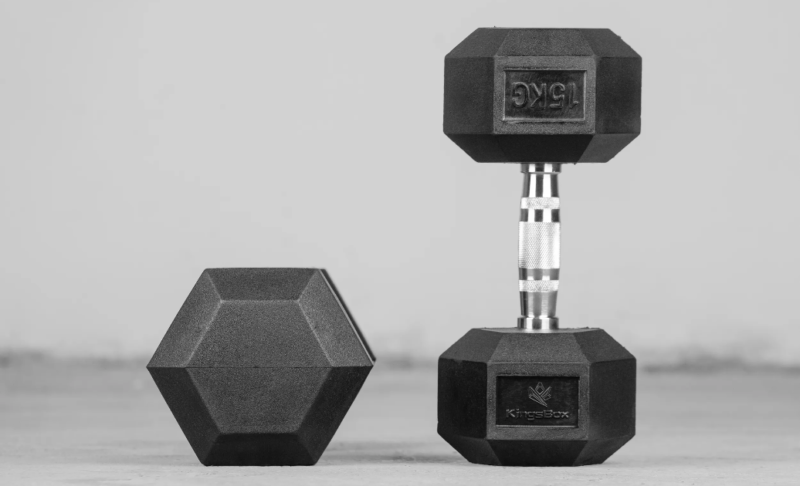
Dumbbells
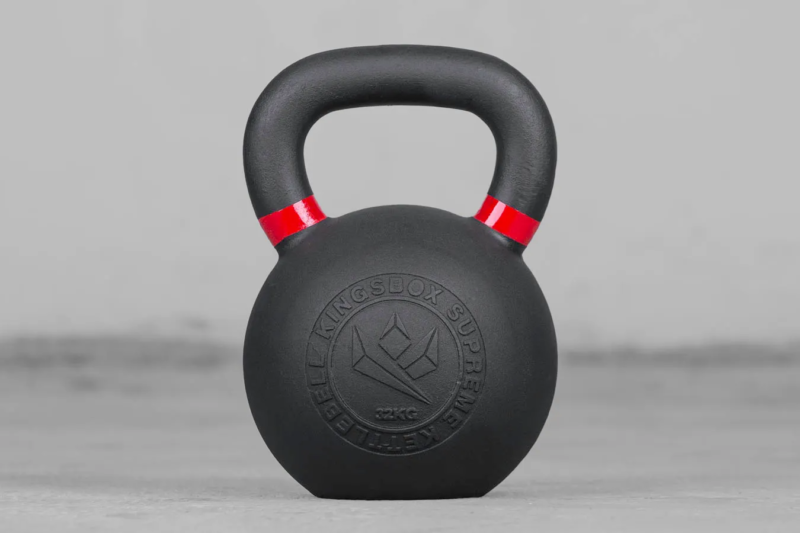
Kettlebell
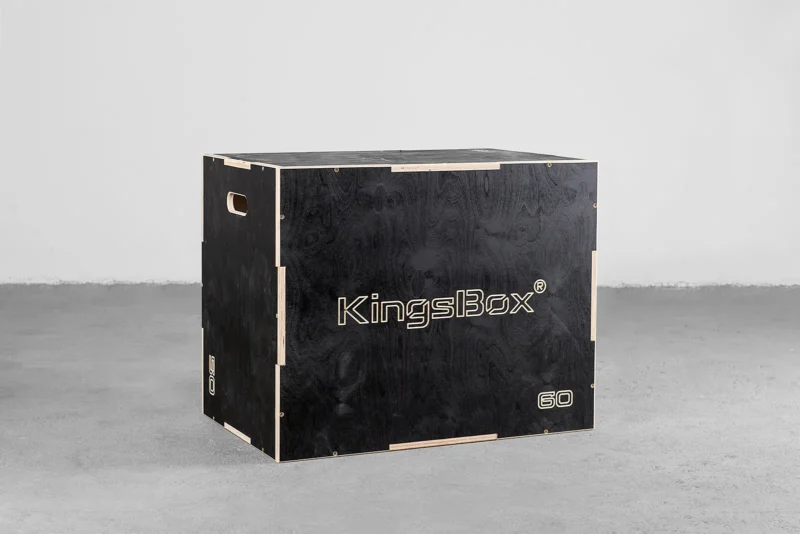
Plyometric box
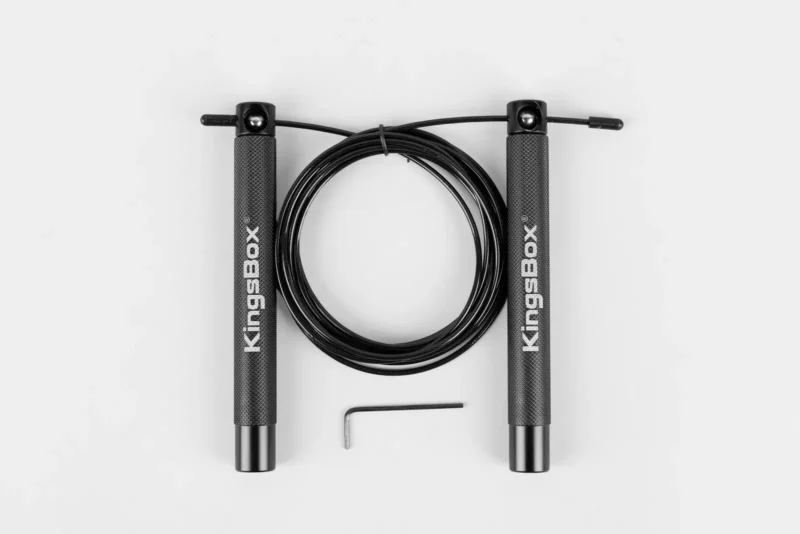
Jumping rope
Barbell

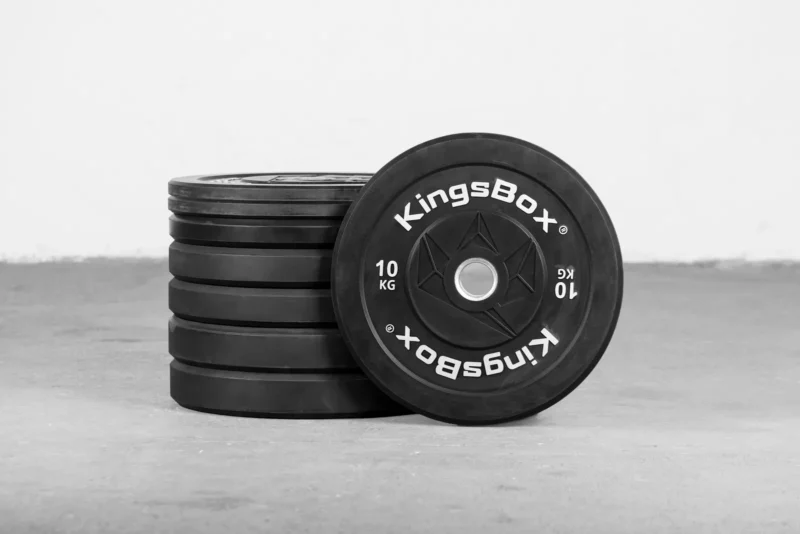
Bumpers discs
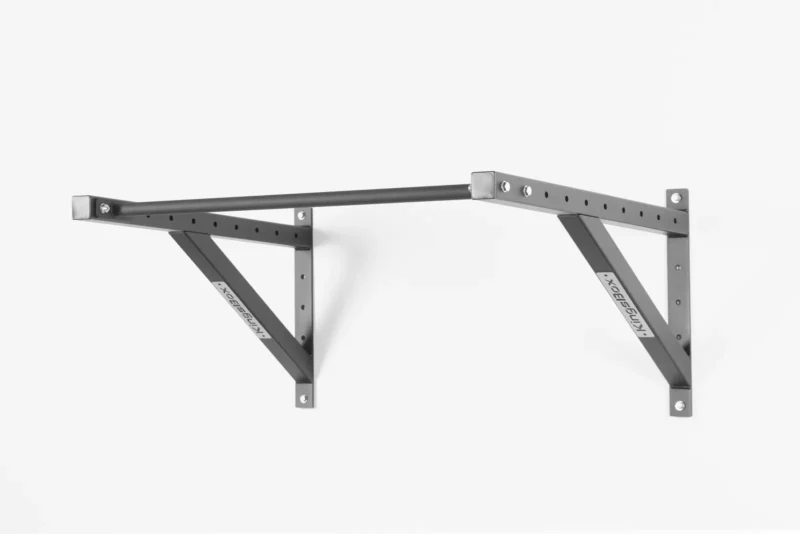
Traction Bar
Medical ball
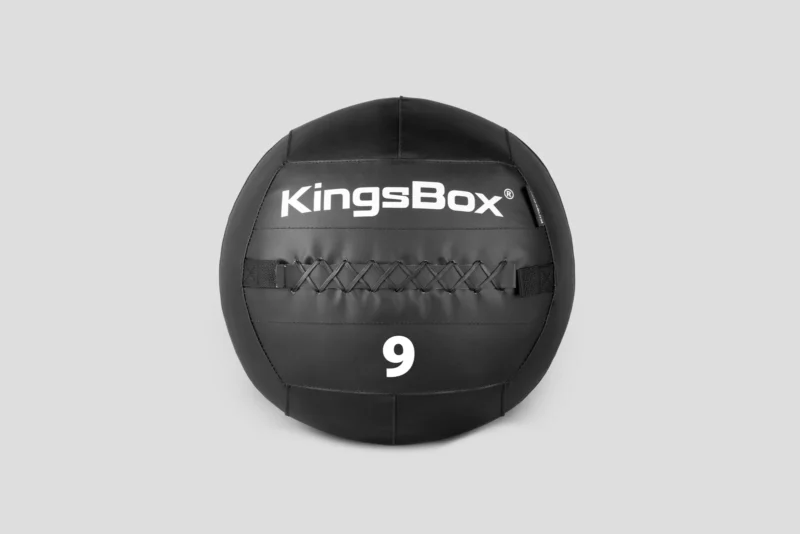
Slam Ball

Applying the Olympic model to daily training
Observing the preparation of Olympic athletes means understanding a fundamental truth: performance is the result of an integrated system. No champion builds his success solely on talent or the endless repetition of the technical gesture. The real difference is built in the quality of invisible work, the solidity of the physical foundations, the ability to develop strength, transform it into power, sustain it over time, and protect it through mobility and prevention.
Crosstraining, strategically embedded in programming, represents exactly that: a method for building a more efficient, more resistant, and neuromuscularly intelligent body. It is not a fashion and it is not an alternative to the sport practiced. It is a quality accelerator. It makes it possible to make good structural deficiencies, improve the economy of movement, increase fatigue tolerance and drastically reduce the risk of forced stops due to injuries.
For the professional athlete, it means being able to maintain peak form longer during the season. For the amateur, it means training with greater confidence, improving more quickly, and achieving concrete results without always overloading the same muscle districts. Integrating 2–3 weekly sessions focused on multi-joint strength, power work, metabolic conditioning, and core stability can radically transform the quality of your performance, regardless of the discipline you practice.
The Olympic model teaches that the body should not be trained in watertight compartments. Physical qualities interact with each other: more strength means more potential power; more stability means greater technical efficiency; better cardiovascular ability means maintaining clarity and precision even under pressure. It is this synergy that creates complete athletes.
The real lesson coming from the Olympic world is not to exactly replicate the volumes or intensities of professionals, but to adopt their mindset: build a solid foundation before seeking extreme performance, maintain technique before increasing the load, and plan recovery with the same care as training. Crosstraining, when applied wisely, becomes a tool for continuous evolution.
Training like an Olympian doesn’t mean living in the gym, but training with intention. It means choosing exercises that develop real qualities, working on fundamental movements, respecting progression and investing in your physical structure in the long run. It is this systemic view that distinguishes those who train to “struggle” from those who train to truly improve.
Ultimately, Olympic success is the ultimate expression of a balance between technique, physical preparation, and mental resilience. Properly integrated crosstraining is one of the cornerstones of this balance. And it is precisely this philosophy that can be transferred to any sporting context: building a strong, stable and resistant body to best express one’s potential, today and over time.
Conclusions
Crosstraining allows you to train these components systematically. By incorporating multi-joint strength sessions, Olympic power exercises, high-intensity conditioning work, and joint mobility protocols, athletes build a physiological foundation that makes the technical gesture more efficient. The result is better force transfer, better movement economy, and greater stability under stress.