Competitive functional fitness has undergone a profound transformation over the past two decades. From a mainly individual discipline, represented by CrossFit, it has evolved towards more structured and spectacular models, to the point of becoming in some cases true team sports. Among these, the GRID League system represents one of the most interesting innovations, from which several local and regional realities such as the Florida Grid League derive.
This article encyclopedically analyzes the birth of the GRID format, its philosophy, the structure of competitions, and the role of the Florida Grid League as a territorial and competitive evolution of the original model.
Indice dei contenuti
Origins of the GRID League: The Birth of a New Fitness Sport
The GRID League was born in the United States with the aim of transforming functional fitness into a structured and media-friendly professional sport. The central idea was to overcome the limitations of traditional fitness competitions, which were often difficult for the non-specialist public to understand.
The GRID format introduces for the first time a competitive system based on mixed teams and a standardized competition field called “GRID”. This allows for an immediate reading of the competitions: two teams, same course, same time, clear winner.
The goal was to create a model similar to traditional sports like basketball or volleyball, but based on extreme physical abilities.
Philosophy of the GRID system
The GRID system is based on some fundamental principles:
- mixed team competition for men and women
- athlete specialization
- standardized and repeatable format
- centrality of strategy beyond physical performance
Unlike Cf, where each athlete must be complete, in the GRID system the performance is distributed among specialists.
Race course structure
The competition field, called GRID, is designed to make the competition clear and immediate.
It is generally divided into:
- two parallel lanes for teams
- sequential operating stations
- transition areas for athletes
Each team runs the same course at the same time, allowing for direct comparison in real time.
Exercise Types in the GRID League
Competitions include a wide range of movements:
- Olympic lifts (clean, snatch, jerk)
- force movements (deadlift, squat, press)
- gymnastics (pull-up, muscle-up, handstand push-up)
- conditioning (rower, sprint, assault bike)
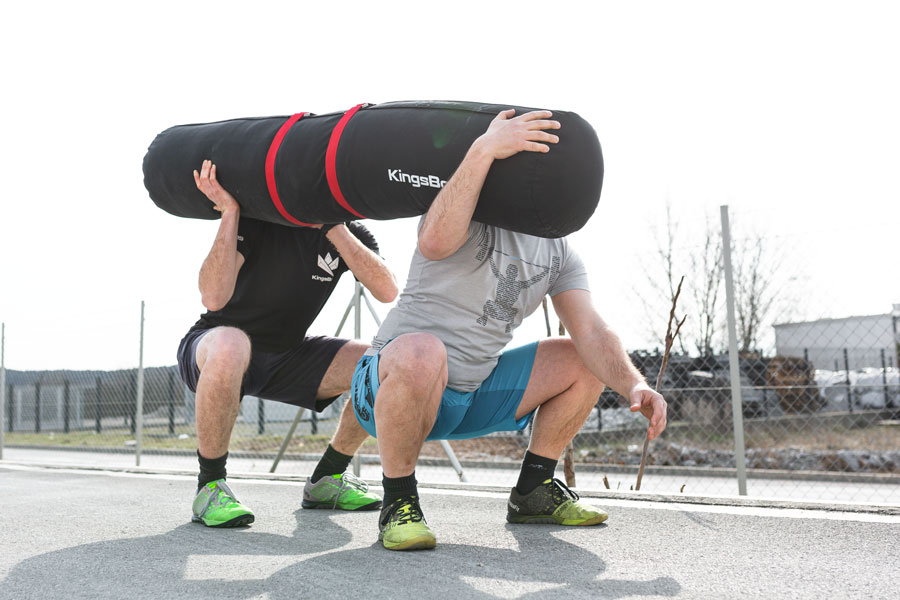
- functional movements (sled push, carry, burpees)
Combining these skills requires a balance between strength, endurance, and motor control.
Format evolution and international diffusion
Since the inception of the GRID League, the format has spawned an ecosystem of affiliated teams, events, and competitions. Some realities have adopted the original model, others have reinterpreted it at the local level.
This process has led to the spread of GRID-inspired competitions in various areas of the United States, creating a network that is not always centralized but consistent in its fundamental principles.
What is the Florida Grid League
The Florida Grid League represents a regional competitive entity inspired by the GRID system. It develops within the strong functional fitness culture present in the state of Florida, one of the most active centers in the United States for CrossFit and related sports.
This is not the original alloy, but a competitive declination that maintains the GRID structure while adapting it to the local context.
Its main features include:
- mixed team format
- structured and repeatable races
- strong strategic component
- specialized roles for athletes
Competition format
Florida Grid League games are played in matches between two teams. Each match is made up of multiple races.
Race structure
Each race is a short, intense trial that includes a sequence of standardized exercises. Teams perform the same trials in parallel.
Race Objective
The goal is to win as many races as possible or complete the course in the shortest time possible.
Strategic Dynamics and Team Management
One of the most important aspects of the GRID system is strategy. Performance depends not only on physical capacity, but also on intelligent human resource management.
Strategic decisions include:
- entry order of athletes
- assignment of specialties
- transition management
- overall team pace
This structure makes the competition similar to a tactical sport, as well as a physical one.
Athlete Roles
Athletes are not interchangeable. Each team is made up of specific profiles:
- Strength specialist: focus on high loads
- Gymnastics specialist: bodyweight training experts
- Endurance athlete: specialized in metabolic work
- All-round athlete: versatile and adaptable
This specialization allows teams to optimize performance for each phase of the race.
Comparison with Cf and other fitness sports
The Cf and GRID system share some roots, but differ profoundly in structure.
- Cf: individual competition or amateur team
- GRID: professional team sport
- CrossFit: Variable and unpredictable workouts
- GRID: standardized format
- CrossFit: complete athlete
- GRID: specialized athlete
The GRID system comes closest to sports like basketball or volleyball in terms of team dynamics and strategy.
Analysis of a typical race
A typical race can be divided into phases:
- team presentation
- race setup
- execution of initial tests
- rotation of athletes
- high intensity final phase
Each phase requires rapid adaptation and constant communication between team members.
Florida Grid League and Fitness Culture in Florida
Florida is one of the US states with the highest concentration of functional fitness athletes. This has encouraged the birth and development of local competitions inspired by the GRID format.
The Florida Grid League fits into this context as a regional competitive expression, contributing to the diffusion of the sports model.
TRAINING for the GRID system
Athletic training requires a multidisciplinary approach.
The key elements include:
- maximum force
- advanced gymnastics
- metabolic conditioning
- team training
- quick transitions
The ability to work synergistically is often more important than individual performance.
Training equipment
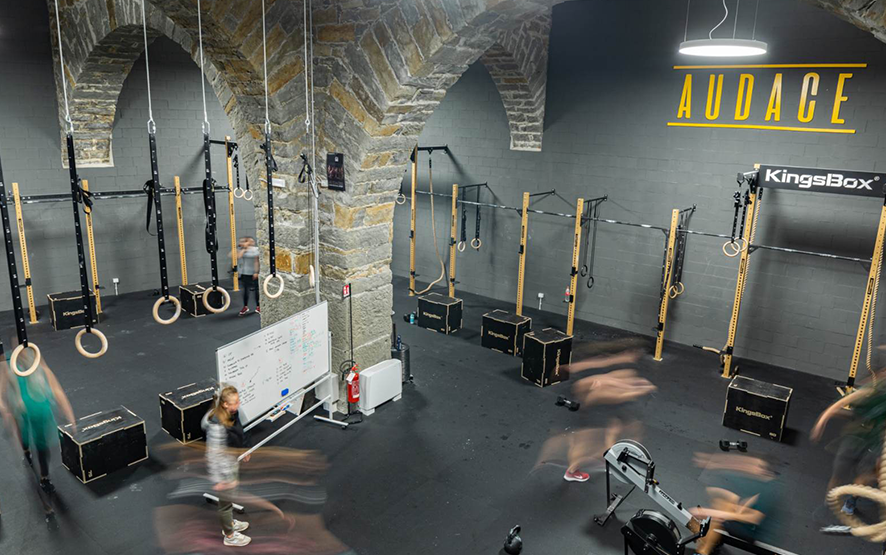
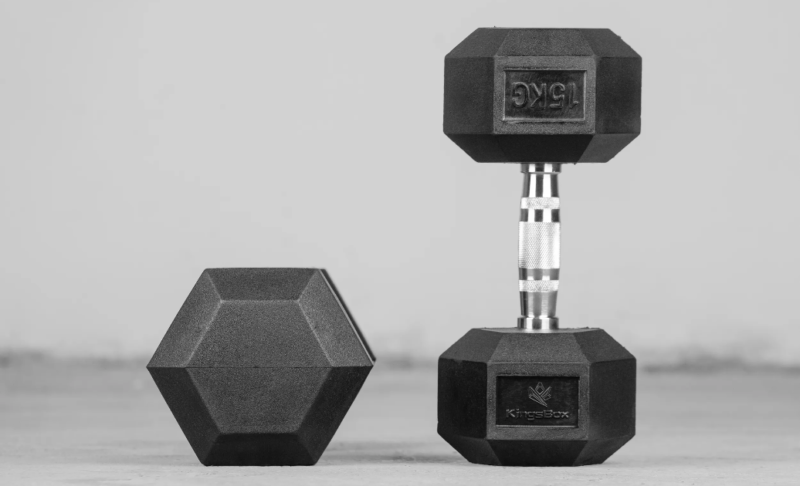
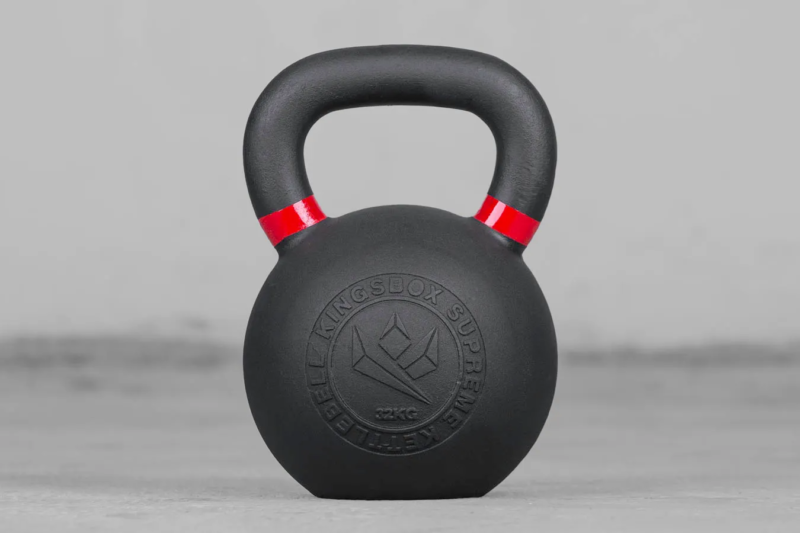
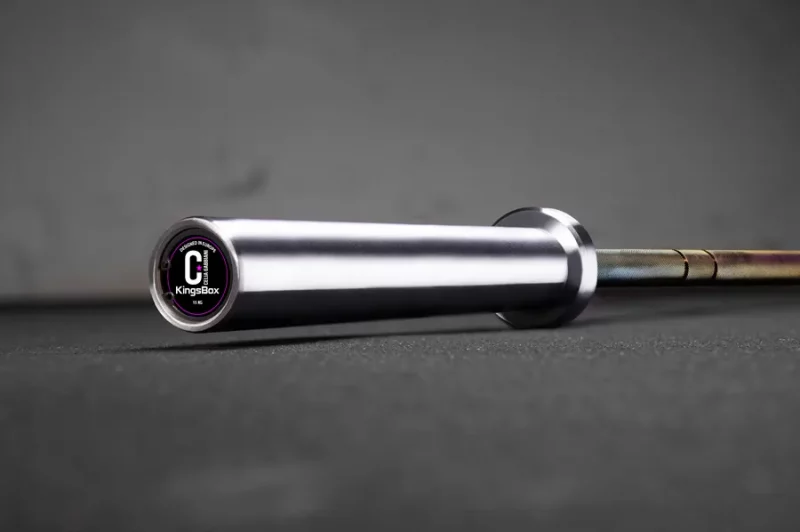
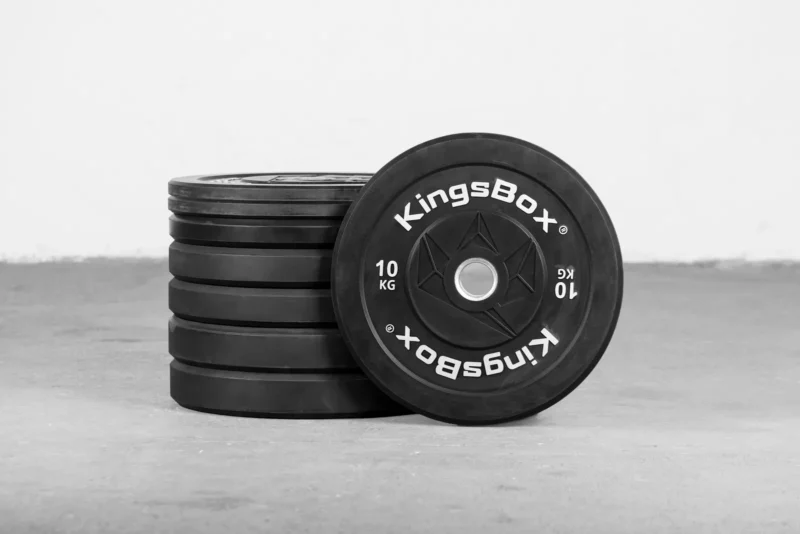
A complete training environment is essential to prepare for this type of competition. Equipment like those from Kingsbox allows you to build a professional setup.
Main equipment
Rower

Dumbbells
Kettlebell
Barbell
Bumpers discs
Medical ball
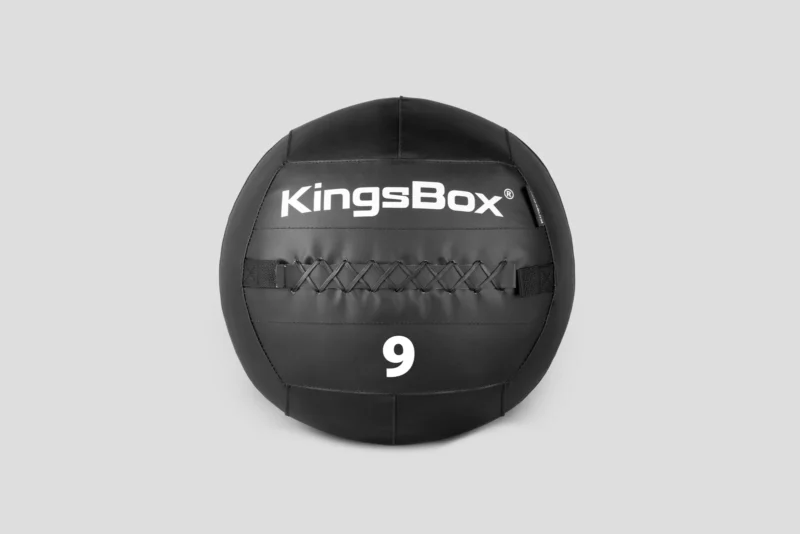
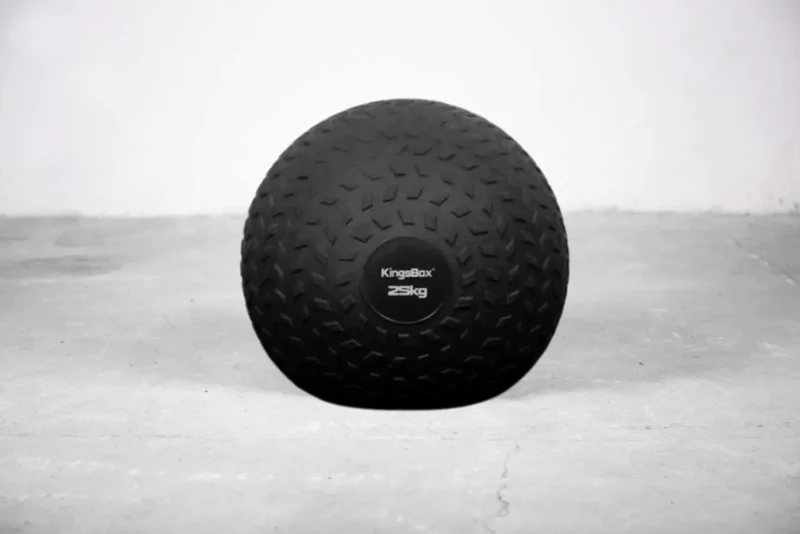
Slam Ball
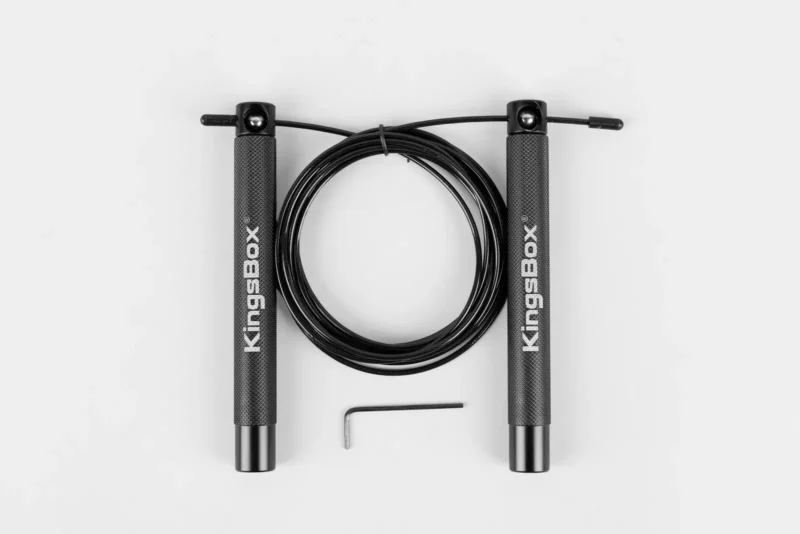
Jumping rope
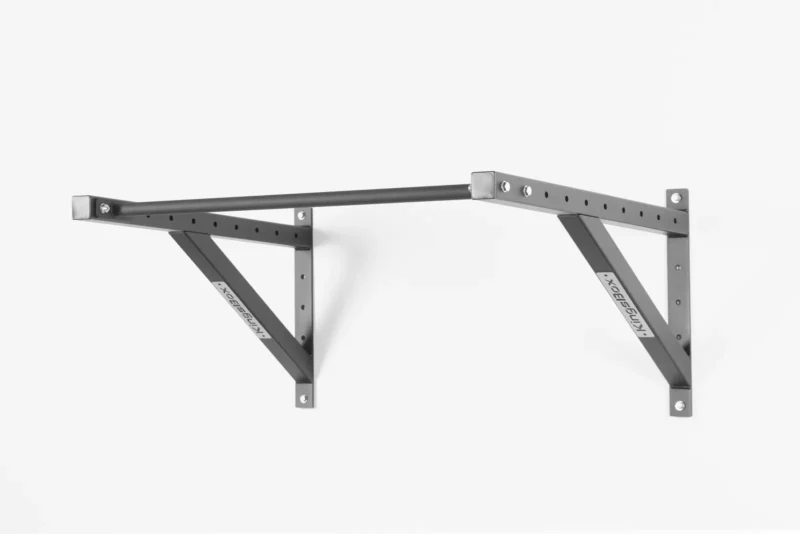
Traction Bar
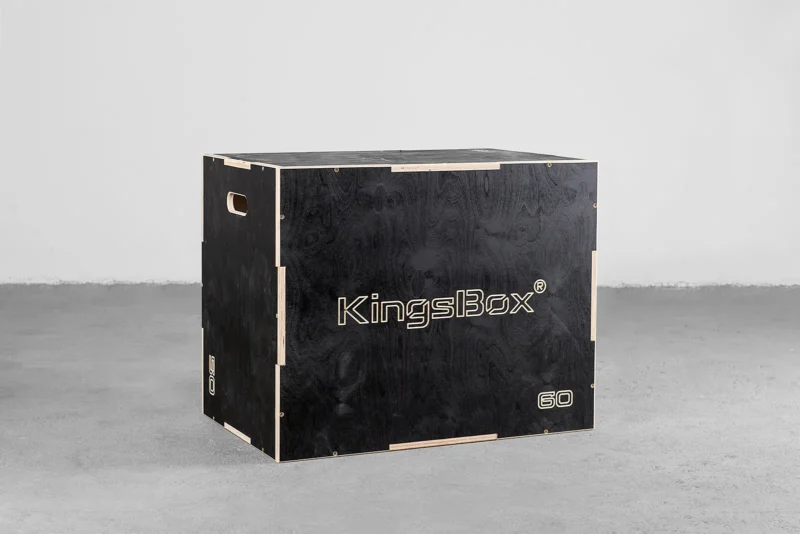
Plyometric box
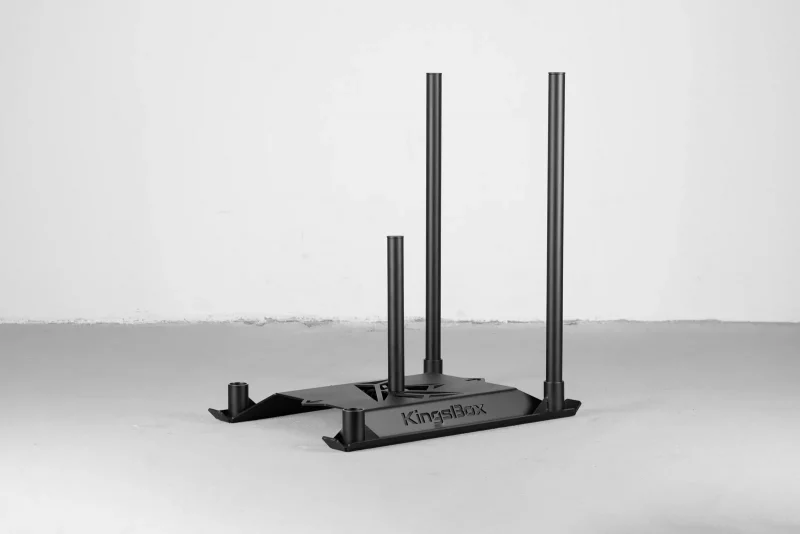
Sled – Sled
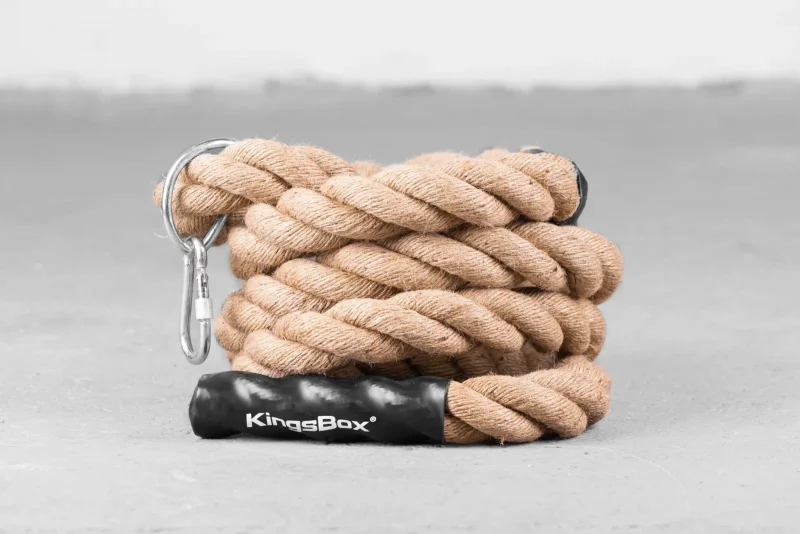
The Rope – Sled rope
This type of equipment allows you to simulate real race conditions and develop all the required capabilities.
Conclusion
The GRID system and its regional evolutions such as the Florida Grid League represent one of the most exciting transformations in modern fitness.
The transition from individual to team sport introduces new elements of strategy, specialization, and spectacularity.
The Florida Grid League, while not the original league, contributes to the spread of this model and its evolution as a competitive sport.