Triathlon is one of the most complete and challenging sports of all. Swimming, cycling, and running require high aerobic capacity, endurance strength, coordination, mobility, and intelligent recovery management. In recent years, more and more athletes, from beginners to professionals, have begun to integrate Cross Training into specific training to improve performance and reduce the risk of injury.
Cross Training is not simply alternative training. It is a strategic method for developing athletic qualities that are often overlooked during classic endurance sessions. The use of kettlebells, medicine balls, rowing machines, dumbbells, and barbells allows you to build a stronger, more durable, and more efficient body in competition.
Many amateur triathletes spend almost all their time accumulating miles on bikes or running, forgetting that strength and stability are essential elements in maintaining efficient technique during long and demanding competitions. A smart Cross Training program instead allows you to improve the economy of the athletic gesture, increase power and face intense training with a better ability to recover.
Indice dei contenuti
Why Cross Training is Essential in Triathlon
Triathlon subjects the body to thousands of repetitive movements. This can create muscle imbalances, joint stiffness and overloads especially on the shoulders, back, hips and knees. Cross Training intervenes precisely in these aspects by improving:
- General Force
- Core stability
- Joint mobility
- Muscle resistance
- Explosive power
- Coordination
- Accident Prevention
- Cardiovascular capacity
Integrating functional exercises during preparation allows you to better tackle both sprint races and long distances such as Ironman and half Ironman.
The role of strength in the Triathlon
For many years, it was believed that weight training could weigh down the triathlete. Today we know that the opposite is true: a stronger athlete consumes less energy at the same intensity.
Training strength through barbell, dumbbell, and kettlebell exercises allows you to:
- Improve pedaling efficiency
- Increase running stability
- Reduce muscle failure over long distances
- Improving posture on the bike
- Optimize swimming technique
The force must be developed intelligently, favoring multi-joint and functional movements.
Kettlebell Training for the Triathlon
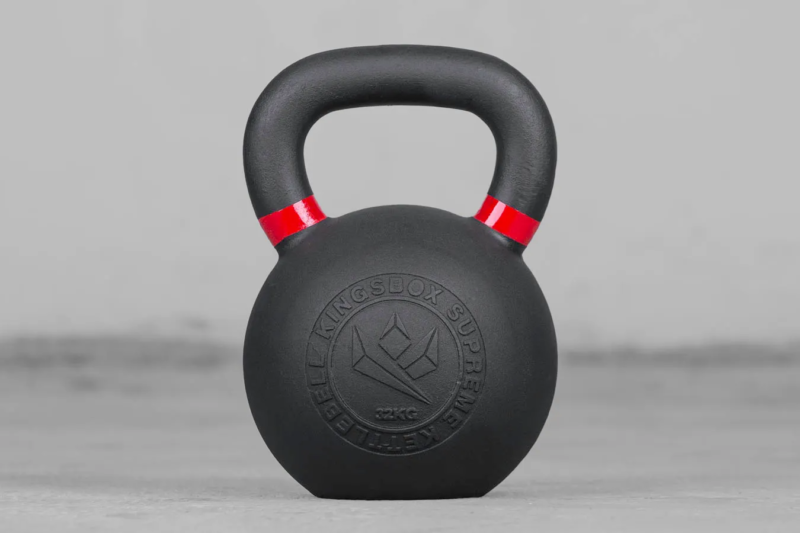
Kettlebells are one of the most versatile tools for cross-training in triathlon. They allow you to simultaneously train strength, cardiovascular endurance, coordination, and stability.
Kettlebell exercises improve core control and the ability to produce explosive force, qualities that are very useful in bike climbs and running accelerations.
Basic kettlebell exercises
Kettlebell Swing
The swing develops hip power, cardiovascular endurance, and posterior chain strength.
Main benefits:
- Improves running momentum
- Strengthens the buttocks and hamstrings
- Increases aerobic capacity
- Stimulate the core
Training example:
- 20 swing
- 30 seconds recovery
- 10 rounds
Goblet Squat
Perfect for developing mobility and leg strength without over-overburdening your back.
Execution:
- 4 sets of 12 repetitions
- 60 second recovery
Turkish Get Up
One of the most complete exercises for stability, mobility and body control.
Very useful for preventing shoulder problems in triathletes.
Medical Ball Training
Medical balls allow you to develop dynamic strength and coordination. They are ideal for inserting explosive movements without excessive impact on the joints.
Recommended exercises
Med Ball Slam
Great metabolic exercise that involves the whole body.
- 15 repetitions
- 4 series
Benefits:
- Increases anaerobic capacity
- Involves the core
- Improves coordination
Rotational Throw
Perfect for developing rotational force especially useful in swimming.
- 3 series per side
- 10 repetitions
Wall Ball
Combines squats and overhead thrusts improving muscular endurance and conditioning.
Rower: The triathlete’s best ally
The rowing machine is one of the most complete tools for Cross Training. It involves the legs, back, arms and cardiovascular system with low joint impact.
Many triathletes use it during offloading periods or as an alternative to running during recovery from minor injuries.
Benefits of the rower
- Improves aerobic endurance
- Develops back strength
- Increases lung capacity
- Reduces joint stress
Rowing Workout for Triathletes
Interval Training
- 500 intense meters
- 1 minute recovery
- 8 rounds
Endurance Training
- 30 minutes constant pace
Great on active recovery days.
Dumbbells for functional strength
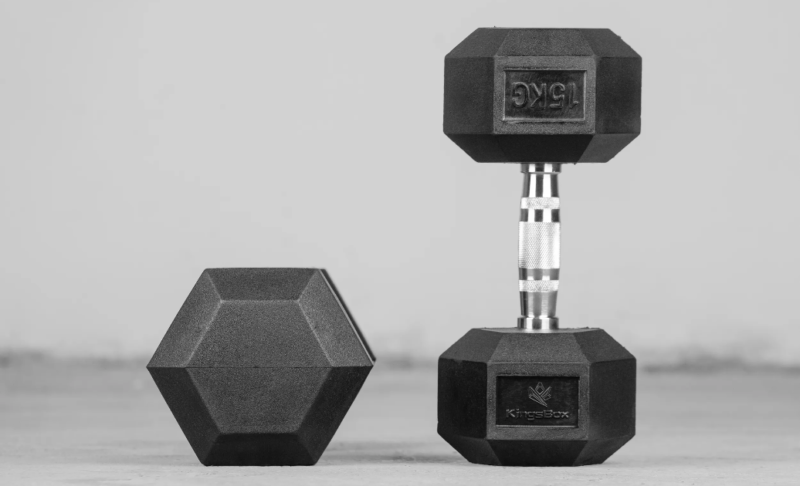
Dumbbells allow you to unilaterally train your body, improving balance and stability. This is especially useful in triathlon where every movement must be efficient and controlled.
Basic exercises
Dumbbell lunges
They strengthen legs and glutes by improving stability while running.
- 4 sets of 10 repetitions per leg
Push Press
Great for developing power and coordination.
- 4 sets of 8 repetitions
Renegade Row
Complete core and back exercise.
Very useful for improving posture on the bike.
Balance sheet and maximum strength
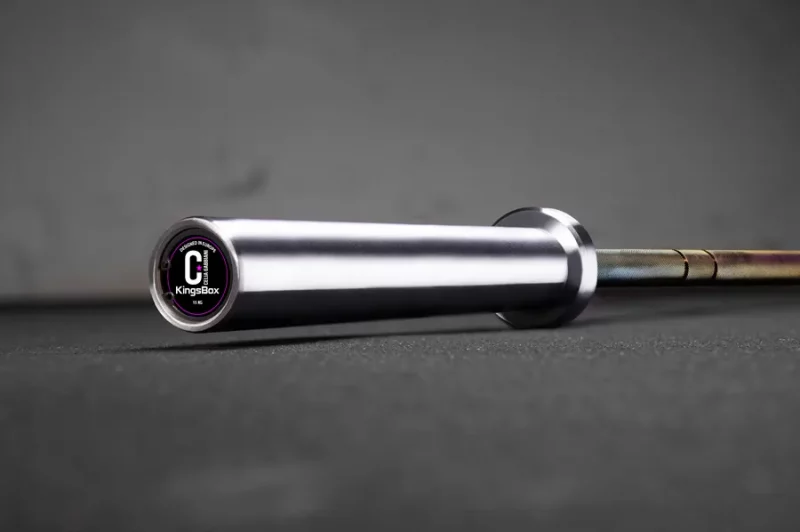
The barbell is essential for developing pure force and improving the body’s ability to produce energy.
In triathlon, maximal strength must be trained especially in the months away from competition.
Main exercises
Back Squat
One of the most important exercises for any triathlete.
Benefits:
- Increases leg strength
- Improve your pedaling
- Makes running more efficient
Recommended scheme:
- 5 sets of 5 repetitions
Deadlift
Fundamental to the back chain.
Helps maintain a stable posture during long hours on the bike.
- 4 sets of 5 repetitions
Military Press
Important for stabilizing shoulders and upper body.
Training equipment
Rower

Dumbbells
Kettlebell
Barbell
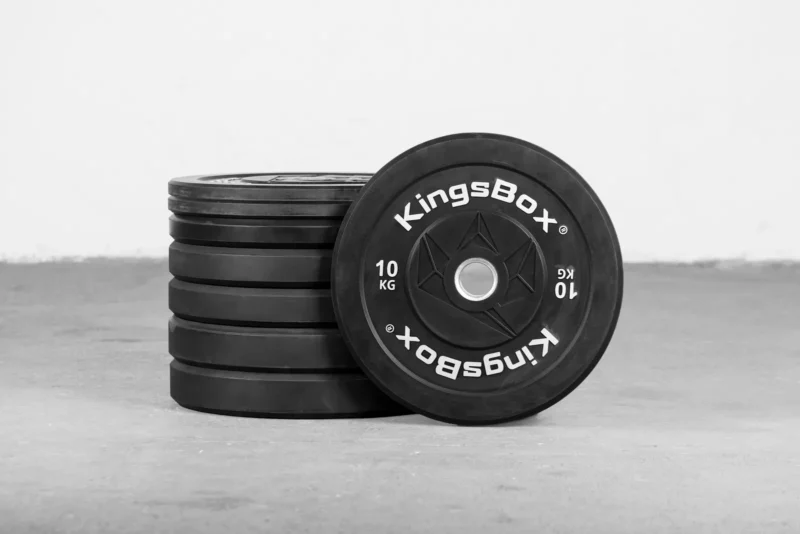
Bumpers discs
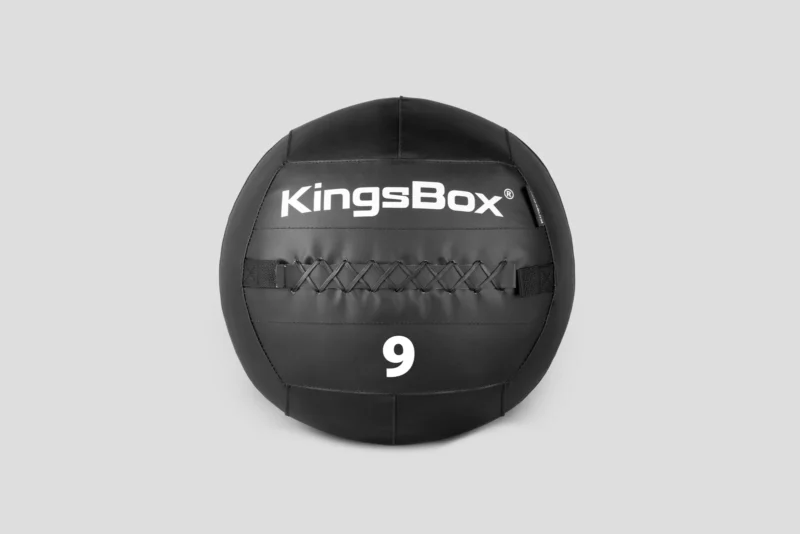
Medical ball
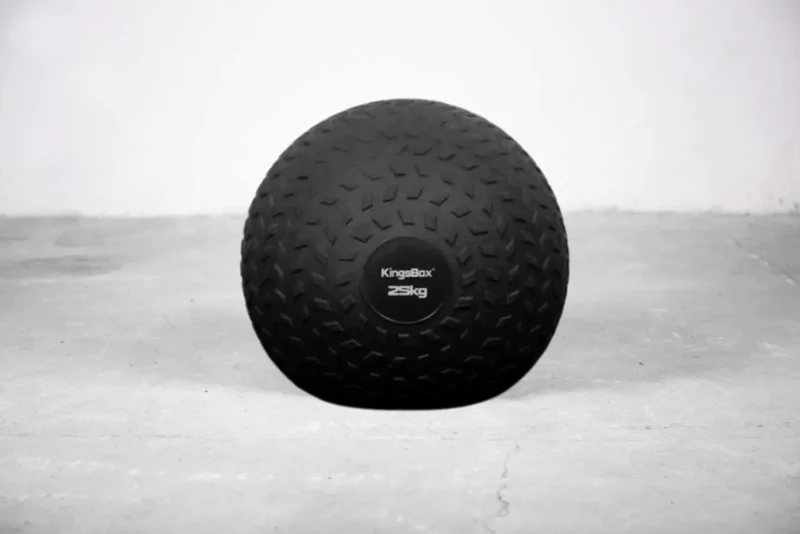
Slam Ball
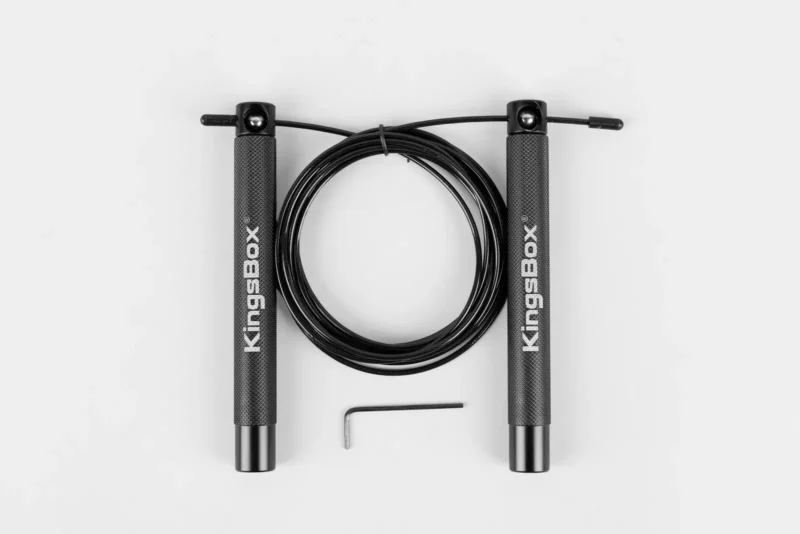
Jumping rope
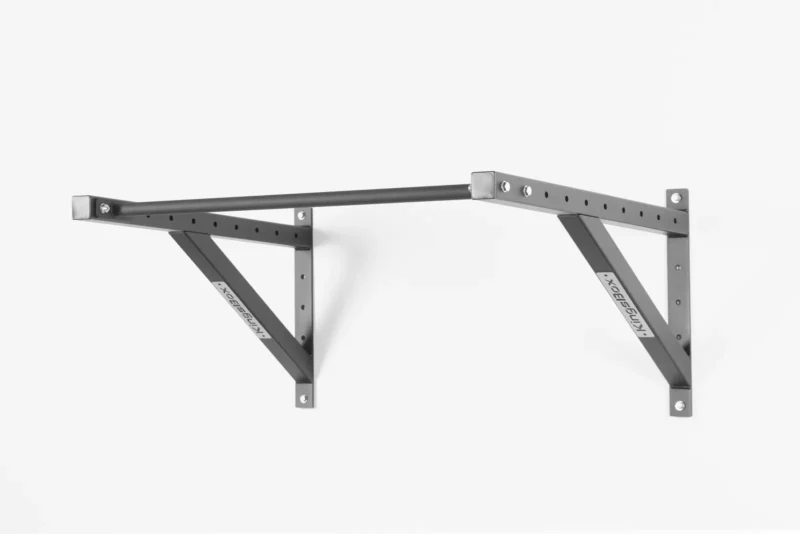
Traction Bar
Plyometric box

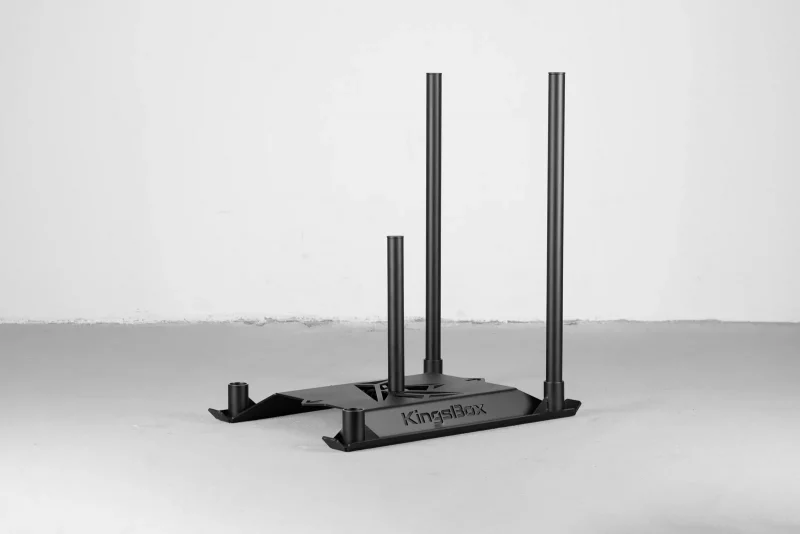
Sled – Sled for HYROX
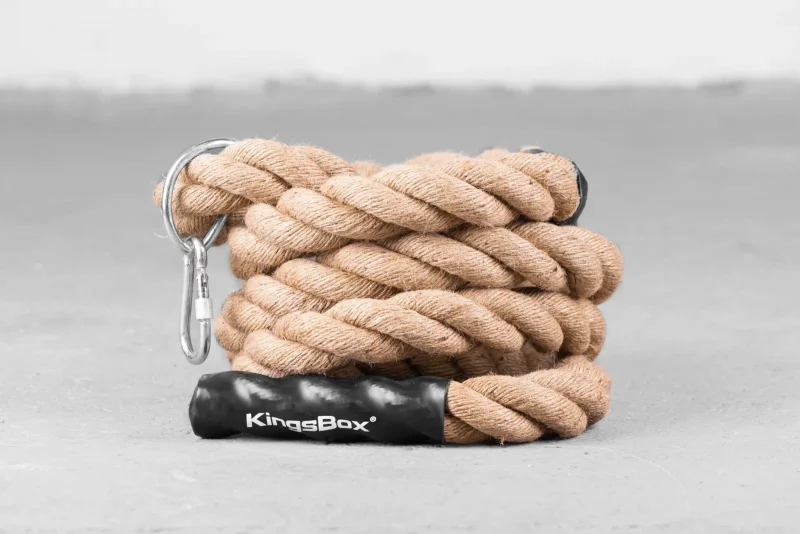
The Rope – Sled rope
Core Training for Triathlon
A strong core allows you to transfer force efficiently between your upper and lower limbs.
In triathlon the core is fundamental:
- In maintaining position on the bike
- In stability during running
- In the rotation of swimming
Recommended exercises
Plank
- 3 sets of 60 seconds
Russian Twist with medicine ball
- 20 repetitions
Farmer Carry with kettlebell
Perfect for core stability and durability.
Example Cross Training Program for Triathlon
Monday – Forza Lower Body
- Back Squat 5×5
- Dumbbell lunges 4×10
- Kettlebell Swing 5×20
- Plank 3×60 seconds
Tuesday – Swimming + Mobility
- Technical swimming
- Dynamic stretching
- Foam rolling
Wednesday – Conditioning
- Rower 500 meters
- Wall Ball 20 reps
- Burpees 15 repetitions
- 8 rounds
Thursday – Bike Interval
- Repeated uphill
- Core Training
Friday – Upper Body
- Military Press
- Renegade Row
- Turkish Get Up
- Med Ball Slam
Saturday – Brick Training
- Bikes + race
Sunday – Active Recovery
- Lightweight rower
- Mobility
- Stretching
Cross Training and Injury Prevention
One of the main benefits of Cross Training is the prevention of injuries.
In triathlon the most common problems concern:
- Patellar tendinitis
- S plantar fasciitis
- Lumbar pain
- Bandelletta syndrome
- Rotator cuff problems
Training strength and mobility dramatically reduces the risk of developing these problems.
Importance of recovery
Many athletes underestimate recovery. In reality, improvement occurs precisely during the recovery phases.
A balanced programme shall include
- Adequate sleep
- Stretching
- Mobility
- Foam rolling
- Drainage days
The low intensity rowing machine can also be used as an excellent active recovery tool.
How to manage Cross Training during the race season
During the competitive phase, it is important to reduce the volume of weight work while maintaining minimal stimulation.
The sessions must be:
- Short
- I understand but check
- With low volume
- Without excessive fatigue
The goal is not to build new strength but to maintain the one acquired.
Common Mistakes in Triathlon Cross Training
Training too much
More doesn’t mean better. Too much volume can compromise recovery and performance.
Neglect the technique
The quality of movement always comes before loading.
Copy non-specific programs
Cross Training must support triathlon, not hinder it.
Ignore mobility
Good mobility improves efficiency and reduces the risk of injury.
Metabolic training for triathletes
Metabolic circuits are an excellent solution for increasing cardiovascular capacity and muscular endurance.
Example Circuit
- 250 meters rower
- 15 kettlebell swing
- 10 dumbbell thrusters
- 15 wall ball
- 10 burpees
Repeat for 5 rounds.
Cross Training for Beginners
Those starting triathlons should introduce Cross Training gradually.
Initial priorities shall be
- Correct technique
- Mobility
- Core stability
- General Force
There is no need to use high loads in the early stages.
Cross Training for Ironman
In long distances, Cross Training becomes even more important.
The main goal is not explosiveness but the ability to maintain efficiency for many hours.
Ideal workouts include:
- Resistant force
- Core stability
- Postural work
- Endurance circuits
Conclusion
Integrating Cross Training into triathlon preparation means building a more complete, strong, and resilient athlete. The intelligent use of kettlebells, medicine balls, rowing machines, dumbbells, and barbells allows for the development of athletic qualities that are essential for improving competition performance.
The combination of specific training and functional work allows you to increase movement efficiency, prevent injuries, and tackle high loads with improved recovery ability.
Whether it’s a sprint race or an Ironman, Cross Training is one of the most effective tools today to bring your athletic level to a higher standard.
Smart training means not just accumulating miles, but building a body capable of sustaining intensity, volume, and fatigue in the long run. And this is where Cross Training makes the difference.