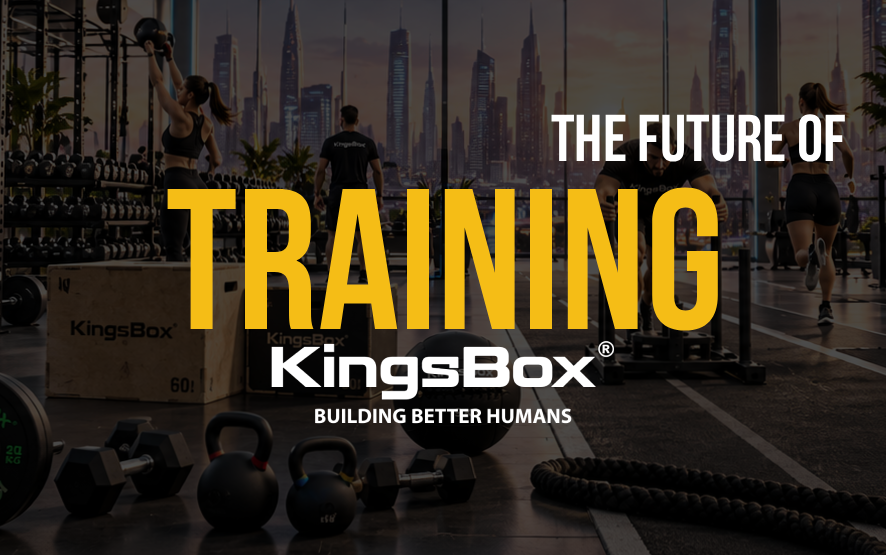
Imagine walking into a gym in 2030. You don’t find endless rows of machinery, isolated stations, and spaces rigidly divided between cardio and weights. Instead, you find a dynamic environment, designed to adapt to people and their needs. A space that can transform over the course of the same day, from a strength session to functional training, from a group class to an athletic preparation program.
The gym of the future won’t necessarily be bigger, more expensive, or more technologically advanced. Above all, it will be smarter in managing space, choosing equipment, and providing users with experience.
Fitness is undergoing a transformation involving architecture, technology, training, and business models. People aren’t just looking for a place to practice: they’re looking for results, motivation, belonging, and environments in which to feel comfortable.
For gym owners, personal trainers, and industry entrepreneurs, understanding this evolution means designing facilities today that meet tomorrow’s needs.
Indice dei contenuti
1. The gym of the future will be a space of experiences
For many years, the dominant model was relatively simple: a large weight room, a cardio area, a few studios for group classes, and locker rooms. This model will continue to exist, but will be joined by increasingly specialized and flexible environments. Gyms of the future will be able to integrate strength training, functional fitness, athletic preparation, endurance programs, mobility, and activities dedicated to overall well-being. The key difference will be in the ability to combine these activities without creating fragmented or difficult-to-use environments.
The same area will be able to host a personal training session in the morning, a strength course in the afternoon, and a group training session in the evening. This transformation will require careful design: adequate surfaces, clear movement paths, efficient storage systems, and versatile equipment. The value of a gym will depend not only on the number of machines available, but on the quantity and quality of experiences it will be able to offer.
2. The Return of Strength: Barbells and Freeweights as Protagonists
One of the most interesting transformations concerns the role of strength training. Once primarily associated with bodybuilding and training experienced athletes, overload work is now considered an important component of numerous fitness programs. In 2030, force areas could become even more central to space design.
Strength affects people with very different goals: improving sports performance, building muscle mass, increasing movement capacity, or maintaining physical autonomy over time. For this reason, a modern gym must be able to offer different progressions, from the first technical exercises to advanced training.
Barbell
The barbell remains one of the most versatile tools for strength training. It allows you to perform squats, deadlifts, presses, Olympic exercises and numerous variations, progressively modulating the load.

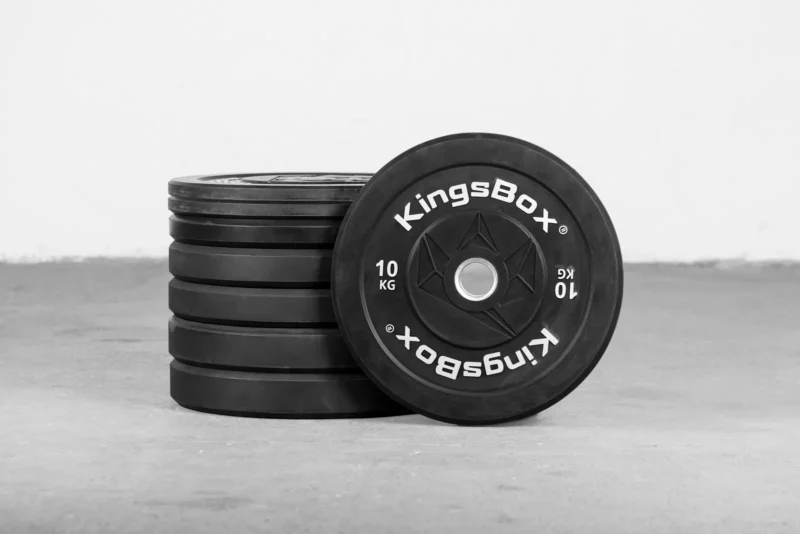
Bumper discs
Bumper discs complete a barbell training station and allow you to handle different loads. An organized allocation makes it possible to make individual and group sessions more efficient.
3. Fewer square meters, more possibilities: the revolution of modular spaces
One of the decisive aspects in the gym of the future will be the optimization of the space. The cost of real estate, the management of facilities, and the need to offer different activities make it increasingly important to use every square meter efficiently. This doesn’t mean filling the gym with as many tools as possible.
It means selecting instruments capable of offering numerous training possibilities without permanently occupying large surfaces. Modular areas can be quickly reconfigured, allowing coaches to organize different classes and programs. A free zone with moving weights, for example, can be used for strength exercises, metabolic circuits, athletic preparation, and individual training.
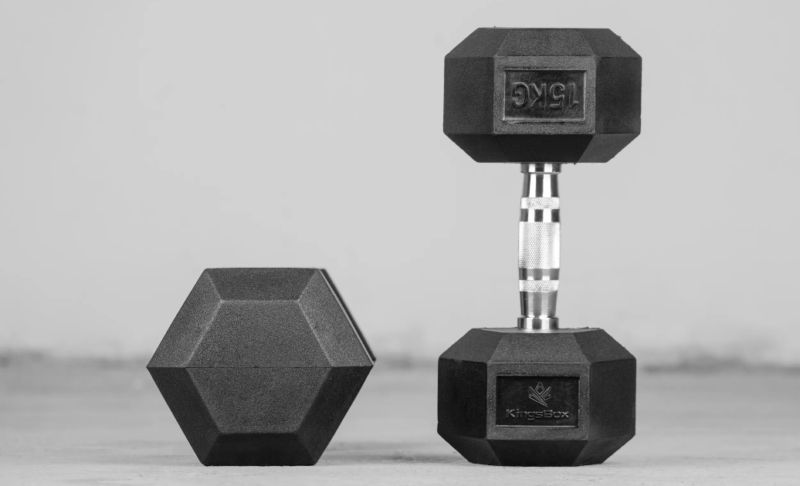
Dumbbells
Dumbbells are an extremely versatile solution. They allow for upper and lower body exercises, unilateral movements, transport and numerous technical progressions.
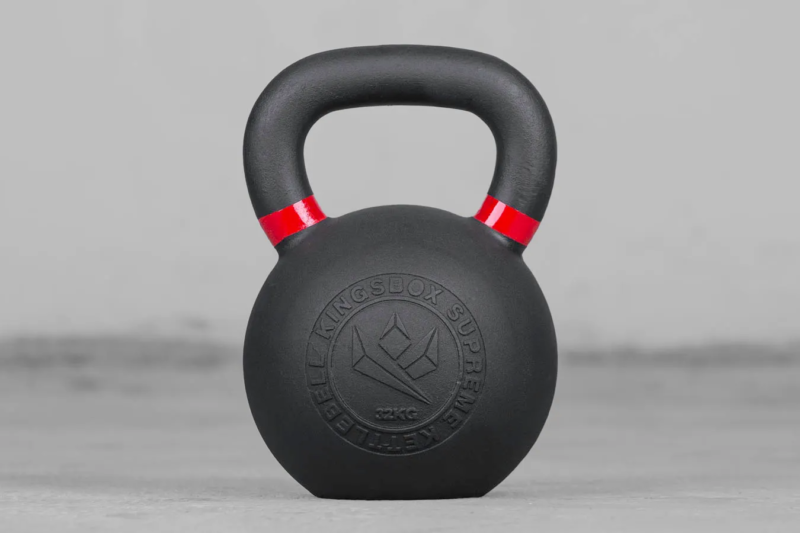
Kettlebell
Kettlebells add additional possibilities, especially in dynamic movements and exercises that require coordination between different muscle groups.
Swings, squats, presses, and carries can be incorporated into strength and conditioning programs, adapting intensity and difficulty to the athletes’ abilities.
4. Hybrid training will change the way gyms are designed
The traditional separation between cardiovascular training and strength training is becoming less rigid. Growing interest in formats that combine endurance, strength, and functional movements has helped popularize new training modalities. Competitions like HYROX have given visibility to an approach in which running, exercises with overloads and conditioning stations coexist on the same course.
For managers, this means considering spaces capable of accommodating dynamic activities, transitions between stations, and movements that require freedom of movement. The 2030 gym could therefore feature fewer rigid divisions and more multifunctional areas.
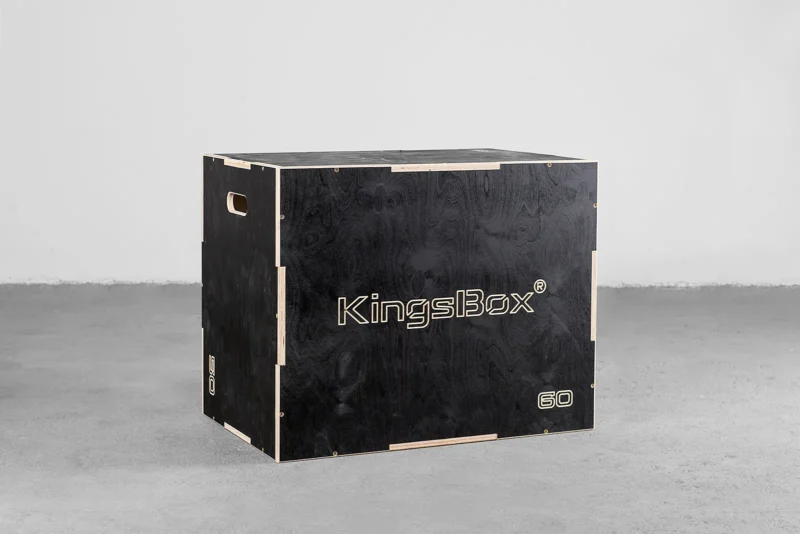
Plyo Box
The Plyo Box allows you to introduce exercises such as step-ups, box jumps and numerous lower limb training variations.
The possibility of using the same tool for different objectives makes it interesting in the design of functional areas.
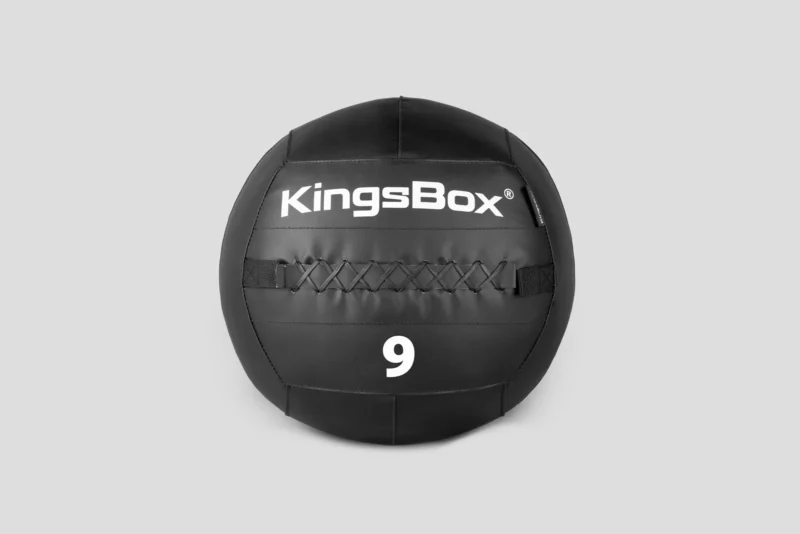
Medicine Ball and Wall Ball
Medical balls and Wall Balls can be used in programs dedicated to strength, coordination and conditioning, always respecting the specific characteristics of each product.
Ball exercises allow you to introduce dynamic movements and, when the equipment is suitable, controlled throws.
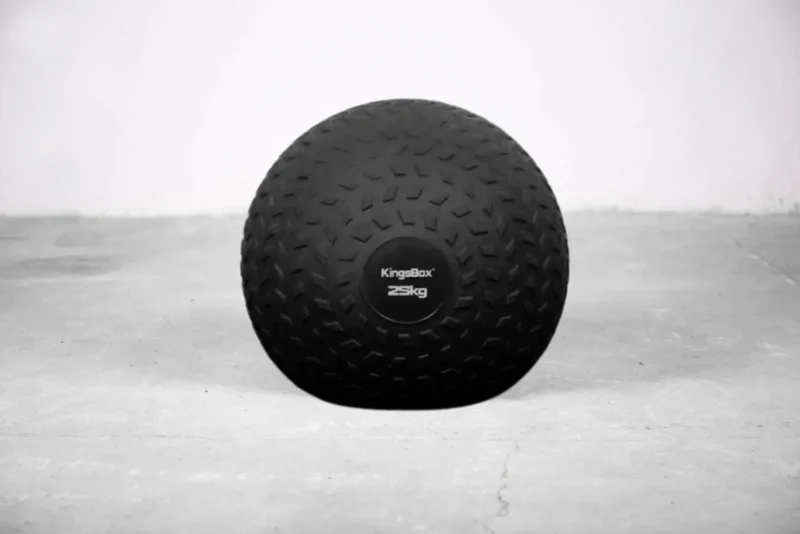
Slam Ball
Slam Balls introduce additional explosive training possibilities. They can be used for acceleration and throwing movements towards the ground, in appropriate areas and with correct technique.
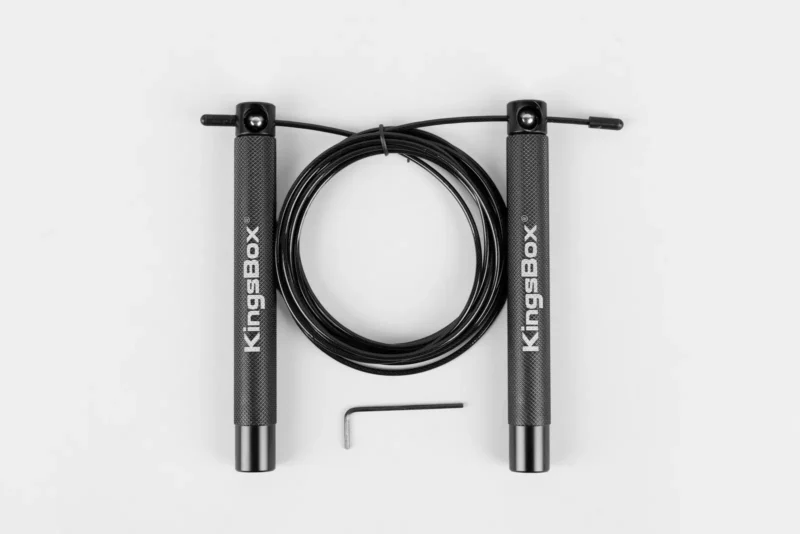
Jumping rope
The jump rope is a compact tool that can be used for warm-up, coordination, and conditioning.
Its small footprint allows for the introduction of several work stations even in relatively small spaces, always maintaining an adequate distance between athletes.
5. Training lanes will become strategic infrastructure
Traditional gyms were designed mainly around static stations. However, numerous training programs require movement, acceleration, pushing and pulling. This involves a different organization of spaces. Training lanes can become essential, especially in facilities geared towards athletic preparation and hybrid fitness.
The length of the paths, the paving and the separation between the different activities must be considered already during the design.
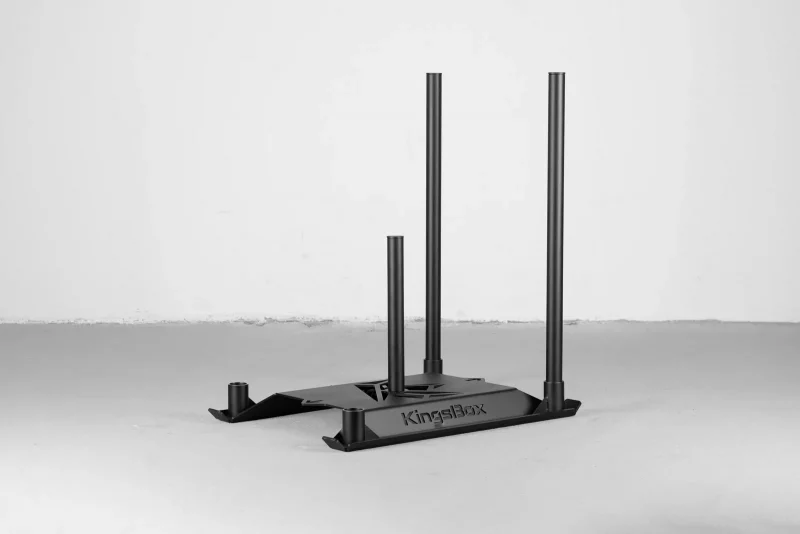
Sled Push
The sled allows you to train the production of horizontal force through pushing exercises.
By varying load, distance, and speed, coaches can organize sessions with different goals.
Training Ropes
The strings expand the possibilities for grip, upper body and coordination training.
It is important to select exercises and installation methods compatible with the characteristics of the equipment and the available spaces.

6. Gym design will become part of the experience
Design is not just about the aesthetic aspect of an environment. The layout of the equipment, the quality of the lighting, the choice of materials and the organization of the routes directly influence the way users experience the gym. A well-designed environment can facilitate orientation, make it easier to use equipment, and help create a recognizable identity.
In 2030, design could take on an even more important role in differentiating between structures. It won’t necessarily be a matter of luxury. Even a compact gym can offer a quality experience through smart design choices.
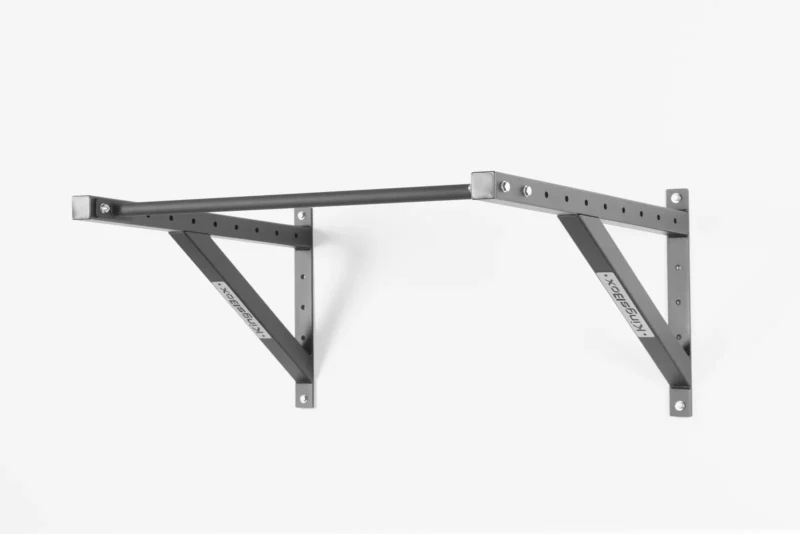
Traction bars
Pull-up bars are a versatile element in bodyweight training areas.
They can be integrated into strength and athletic training courses, with different progressions depending on the users’ abilities.
7. The cardio of the future will be integrated into training
For many years, cardiovascular equipment was placed in separate zones, often characterized by long rows of machines. This model will continue to be useful, but could be complemented by more integrated solutions.
Conditioning can be organized through circuits that alternate strength exercises, functional movements and cardiovascular activities. In this context, it becomes important to choose equipment capable of supporting different programs.
Rower
The rowing machine allows you to engage different muscle groups simultaneously and represents a versatile tool for conditioning.
It can be used in continuous sessions or in interval training, adapting intensity and duration to the athletes’ goals.

8. Technology and Artificial Intelligence: A Smarter Gym
When imagining the future of fitness, it’s natural to think of interactive screens, applications, and advanced monitoring systems. Technology may indeed help improve the organization of facilities, but its value will depend on the ability to solve concrete problems. Digital systems will be able to simplify bookings, class management, training scheduling, and space usage analysis.
Artificial intelligence could also support some administrative tasks and offer additional tools for program customization. However, technology will not automatically replace the experience and expertise of coaches. Human intercourse, the ability to observe movement, and the adaptation of exercises to individual needs will continue to be fundamental elements.
9. The community will become a competitive advantage
A gym is not just a collection of equipment. It is also a place where people build habits, share goals, and develop relationships. The growth of group training formats demonstrates how collective experience can contribute to motivation. In the future, structures capable of building an authentic community could stand out from those that offer access to equipment only.
Events, shared workouts, progressive programs, and activities dedicated to different levels of preparation can help create an engaging environment. Community, however, does not automatically arise from the presence of a common space. It requires attention, organization and continuity.
10. Sustainability and durability of equipment
Sustainability will be another important element in gym design. In addition to energy consumption and environment management, it will be necessary to consider the life cycle of the equipment. Investing in products that fit your intended use, arranging regular maintenance, and designing easily reconfigurable spaces can help reduce premature replacements and waste.
A sustainable gym is not necessarily the one that buys the least equipment, but the one that makes investments consistent with its needs. Durability, maintenance capability, and versatility therefore become important criteria in purchasing decisions.
11. How to Design a Gym Today
Preparing for the future does not mean chasing every new trend. It means building a structure capable of evolving over time.
The first step is to clearly identify the target audience: athletes, beginners, people interested in general well-being, or users looking for specific programs.
The second step concerns the distribution of spaces. Areas of strength, conditioning, mobility, and functional training must be organized consistently with the proposed activities.
The third step consists of selecting the equipment. Barbels, bumper plates, dumbbells, kettlebells, and functional training tools can be a versatile foundation, but the choice must always depend on the structure’s goals.
Finally, it is important to leave room for change. A gym that can change the layout of its areas without complex structural interventions will be better prepared to accommodate new training modalities.
Conclusion: The gym of the future begins with today’s choices
In the future, we will continue to train to become stronger, improve our physical condition, achieve goals, and share experiences. What will change is how spaces make these activities possible.
The most interesting gyms won’t necessarily be those with the most machinery or the most flashy technologies. They will be those capable of combining functionality, design, versatile equipment and a truly people-centred experience. The gym of the future has not yet been completely invented. Many of the necessary tools already exist.
The real innovation is to rethink how they are used, combined, and integrated into training environments.
The future of fitness will be defined not just by what we put in gyms, but by what people can do in them.